There’s a familiar way to change filament suppliers: quote everything, argue for a month, then discover what the new supplier’s third batch looks like — after the whole catalog has moved. It works often enough that people keep doing it. When it fails, it fails with your brand on the failure and your customers watching, at the worst possible season.
The alternative is smaller and stranger-looking: qualify a second source without switching anything. You keep your primary supplier. A backup gets evaluated in a structured way, and the result lands on your Approved Vendor List, where procurement keeps such things. The second supplier produces nothing for you until something goes wrong, and then produces quickly, because the qualification already happened. This is the supplier qualification process we run with filament buyers, stage by stage, with the timeline and the paperwork.
Why a Second Source, Not a Switch
The case for a second source isn’t distrust of your primary. It’s arithmetic about single points of failure, worked through in our single sourcing risk pillar page. A factory incident at a sole supplier can mean one to three months of full stockout while channels drift to competitors. A delivery slip on a hot SKU lands in peak season, when expedited freight eats the margin you planned to make. A batch that drifts on reorder shows up as rising returns and reviews you didn’t write. A price increase arrives with no negotiating leverage, because the alternative to accepting it is restarting qualification from zero. Farther out, a tariff shock or an acquisition of your supplier can reprice or orphan a product line overnight. None of these require anyone to be incompetent; ordinary bad luck is enough, and a sole-source structure has no shock absorber for any of it. Every buyer has a version of one of these stories; the ones who survived them best had a second qualified supplier parked and ready.
We built our own model around that reality: we don’t ask you to move your catalog, and we don’t chase your full volume. A qualified backup that can start production within fifteen days, absorbing a share of critical SKUs when needed, buys most of the safety of a second factory at a fraction of the decision cost. That’s the whole pitch. The mechanics take roughly ninety days.
Stage One: Pick the SKUs
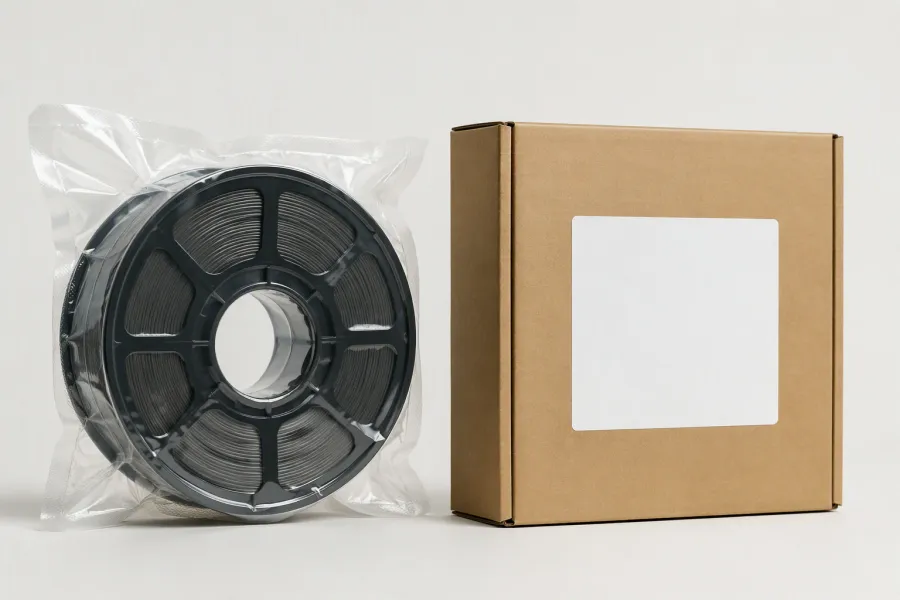
Week zero is a twenty-minute call, and its only output is a short list: the two or three SKUs where single-source risk hurts most. Start with hot sellers that have real reorder volume, because a stockout there costs revenue immediately. Add any part whose critical specifications your customers actually measure, since that’s where quality drift surfaces first. And include the colors or grades whose supply has already wobbled once — the wobbling told you something. If two candidate SKUs tie, prefer the one your incumbent would struggle to rush: the backup earns its keep precisely where the primary is least flexible. Choosing them matters more than it sounds, because every later stage inherits this selection.
Resist the temptation to widen the list. A qualification that covers everything tests nothing well, burns budget, and gives the new supplier too many chances to fail on paperwork instead of product.
Stage Two: Validate the Samples
Weeks one and two belong to samples, and the details here decide whether the test means anything. Request production-representative samples: spools pulled from real production batches, ideally from two independent batches, since a single batch proves a moment and two batches begin to prove a process. Test them against your current supplier’s material on your own printers, with your own settings, on the parts you actually sell. The sample package should include a settings sheet for your machines, so the validation runs on known numbers from the first print. Same model and same profile, the same operator if you can manage it, and the incumbent’s spool printed the same week — a head-to-head run the same day removes printer weather and seasonal humidity from the comparison. Print the incumbent first if you want to be generous, the candidate first if you don’t; print both again the next day if the result matters.
Watch three things. First, whether the printed results match the specification sheet that came with the spools. Second, whether the two batches behave like each other, which is the consistency question hiding inside every sample approval. Third, how the supplier handles your questions during the window, because you’re evaluating a relationship as well as a polymer. The quality records behind each sample, diameter logs and the inspection trail, should arrive on request without negotiation; how a supplier’s QC records look and what to ask for is covered separately.
Stage Three: Run the Trial Order
Weeks three through six, the money stage, and smaller than most buyers expect: a mixed-SKU trial starting at ten spools, typically five hundred to two thousand dollars. The spools arrive in the supplier’s standard packaging, because the point is to see what their normal process produces, unpolished for your benefit — and to inspect that packaging properly on arrival, covered in why vacuum-sealed packaging matters.
Run them on production work, on real machines, alongside your incumbent’s material where that’s possible. Three comparisons earn the spend: batch consistency against the samples you approved, lead time adherence against what was quoted, and landed cost against the invoice, with freight, duty, and operator time included. For reference, our production window runs ten to fifteen days after spec and deposit approval, production only, which is exactly the kind of quoted number a trial should be checking against reality. A trial that checks only print quality leaves all three comparisons unexamined.
Stage Four: Approve and Park It
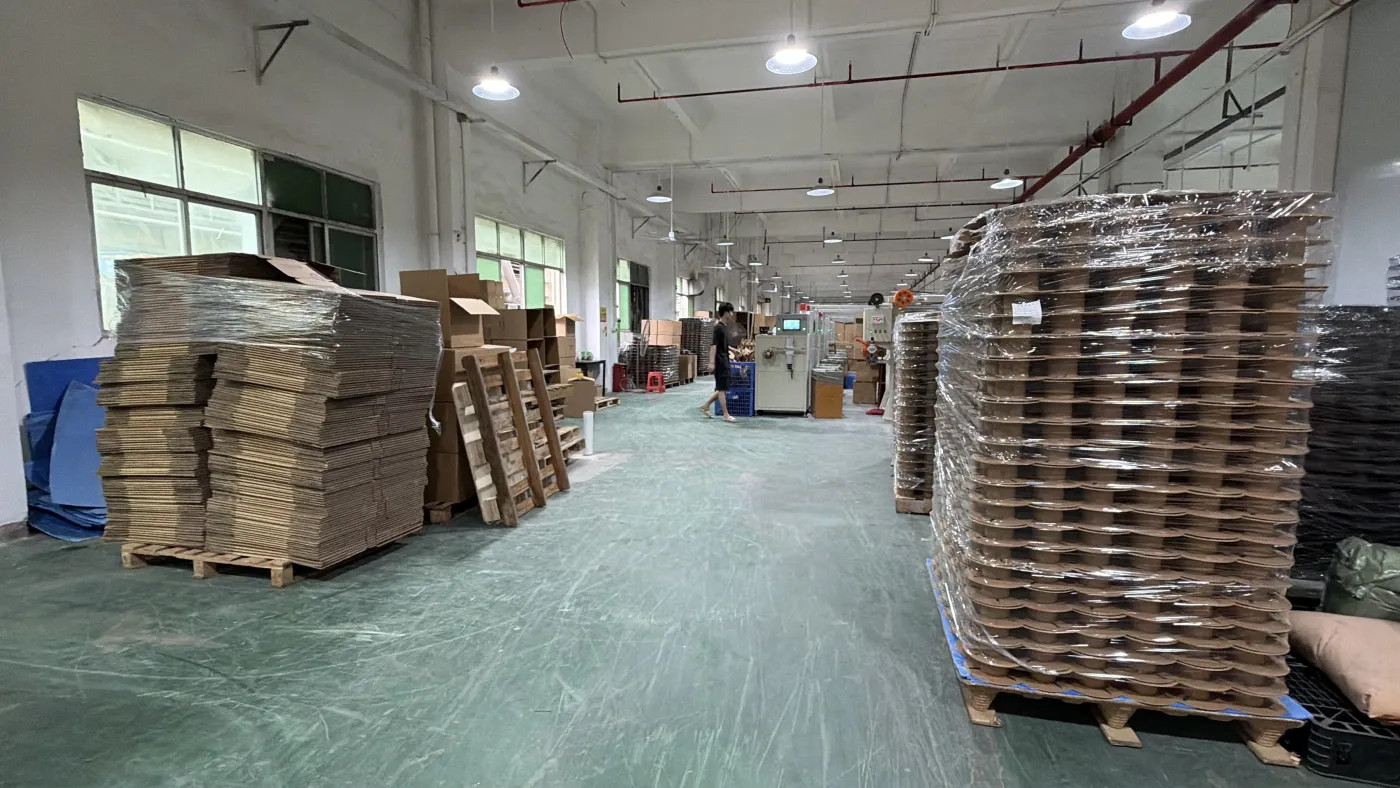
From week seven, if the evidence held, the outcome is administrative: the supplier joins your Approved Vendor List as a qualified backup, with the documentation filed and the part numbers mapped. Then comes the part that feels wasteful and isn’t. You order nothing. The second source sits ready, able to start production within fifteen days of your call, while your primary keeps the volume. In practice, buyers who activate the arrangement usually keep the primary in place and give the backup a share of the critical SKUs, which restores delivery without forcing a quality verdict you haven’t had time to form. Some keep a rolling forecast with the backup so activation has a production slot waiting; others simply keep the paperwork current and accept the longer first lead time. Both work, and both cost almost nothing while nothing is wrong.
The arrangement activates on events, and they’re the ordinary accidents of supply: a slipped delivery, a batch that drifts, a price increase that arrives without warning, a capacity crunch in your peak season. Some buyers eventually shift specific SKUs where the backup measurably outperforms. That decision belongs to your production data and to nobody’s sales pressure, which is the entire cultural difference between a second source and a courtship.
The Documentation That Speeds Everything Up
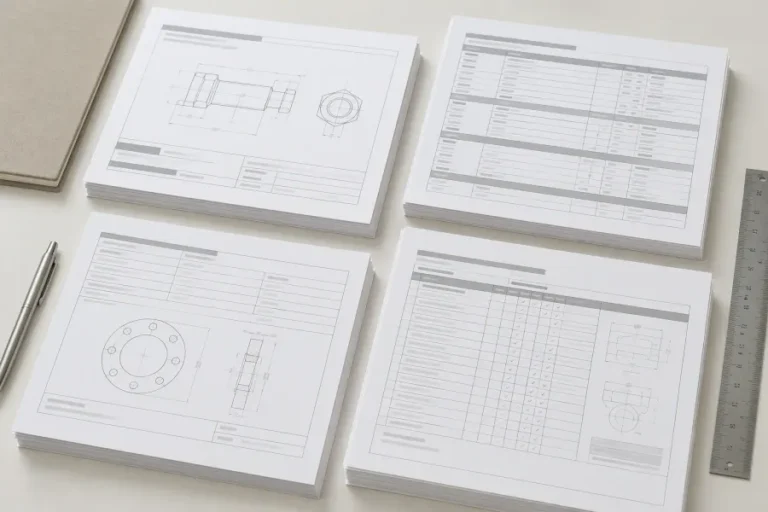
Procurement teams with standard qualification workflows can compress this timeline meaningfully, because most of the slow part of any qualification is document chase: the QC records that arrive in a trickle of mismatched formats, and certificates that turn out to cover a different entity or to exist only as a verbal assurance. Pre-requesting the package turns that scatter into one attachment, and a supplier who delivers it that way on the first ask has told you something about how their plant runs. The package worth pre-requesting: the third-party production assessment, batch-level QC records, raw-material traceability documentation, the retained-sample policy, and a facility overview. RoHS, REACH, product-level testing, and SDS documents arrange per SKU, with lead time and cost quoted separately, and timelines that mean what they say.
Treat the assessment document as something to verify, not admire: report numbers with validity dates, and an entity name that matches the contracts. Our guide to reading an Intertek Production Assessment walks through what that document can and cannot prove, including the gaps ours discloses. On our side, the commitment that frames the whole process: a written qualification proposal, covering sample scope, timeline, cost estimate, and pass/fail criteria you define, within twelve business hours of a fit call.
Pass/Fail Criteria You Write First
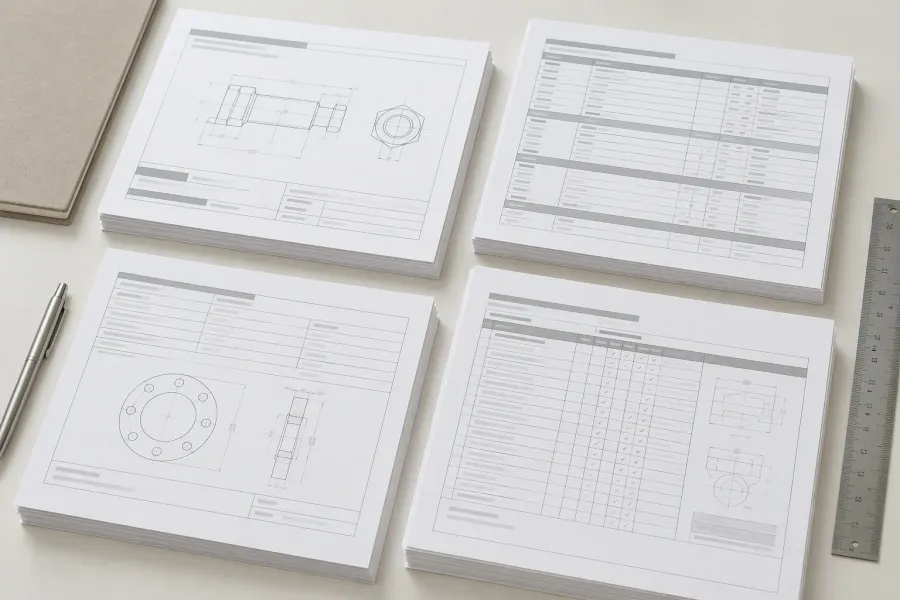
Before the first sample prints, write down what success looks like, numerically, and share it with the supplier. The dimensions that survive every filament qualification: diameter tolerance held on your machines, against the log; color matched to the approved reference across both batches; net weight as specified; layer adhesion and surface within your product’s norms; lead time as quoted. Number each line and write the pass bar beside it — “1.75 mm within ±0.02 mm on our calipers, both batches” is a criterion; “good dimensional quality” is a mood. Share the sheet before the samples ship, so the supplier can flag anything they can’t meet while declining is still cheap. Two independent production batches passing the same written bar is the standard we hold ourselves to, and the standard worth holding anyone to.
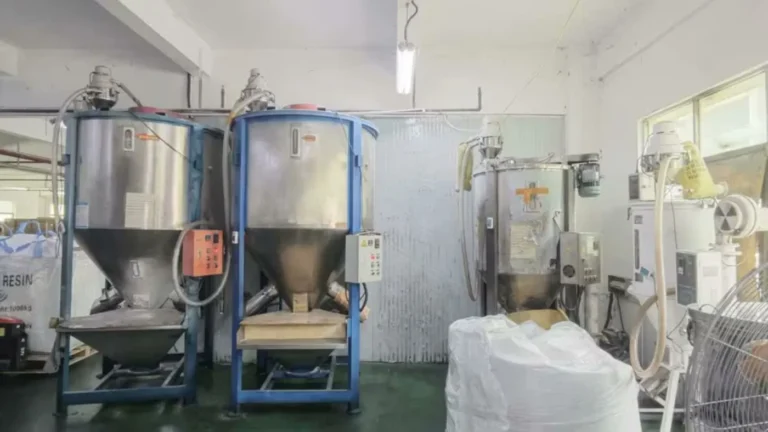
The factory context behind the paperwork is in how the filament is made, and the qualification path itself sits on the filament manufacturing partner page. More about FilaSource and the second-source model is on the homepage.
Frequently Asked Questions
How long does supplier qualification take?
A structured second-source qualification runs roughly eight to twelve weeks: a fit call, sample validation over one to two weeks, a trial order over weeks three to six, then approval. Teams with standard procurement documentation can compress it by requesting the document package upfront.
What’s the minimum order for a supplier trial?
A mixed-SKU trial starts at ten spools and typically lands between five hundred and two thousand dollars. Commercial volumes begin at a hundred spools, and full private-label packaging references a thousand per design, with packaging minimums quoted separately from filament.
What samples should I request from a new supplier?
Production-representative spools from two independent batches, in the SKUs you selected, with the quality records behind them. Samples from a single batch, or prepared specially for the evaluation, tell you about a moment; two batches begin to tell you about a process.
Won’t my current supplier be offended by a second source?
A professional one won’t be. Second sourcing is standard procurement practice for exactly the risks everyone in the industry knows exist, and mature suppliers prefer customers with resilient supply chains, because those customers keep buying during someone else’s bad quarter.
Do I need to visit the factory before approving?
A visit adds value, but it’s optional when the documentation is real: a verifiable third-party assessment, plus batch records you can spot-check against the goods you received and a trial that behaved as documented. Some buyers visit after approval, once the relationship justifies the trip, and use the visit to meet the people who will answer the phone when something needs fixing.