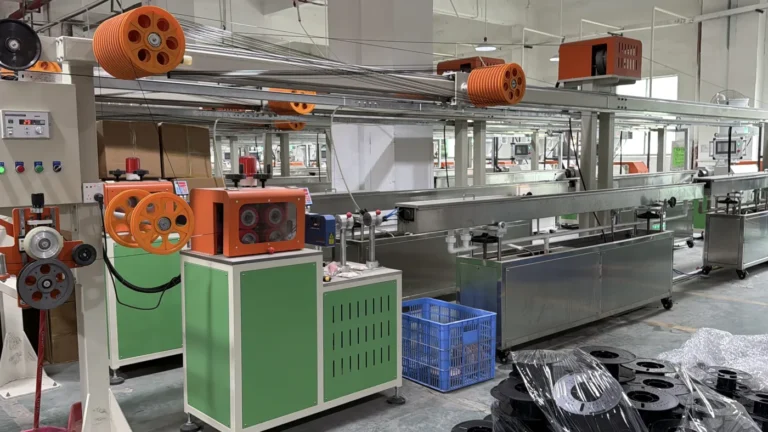
Spool size looks like the simplest decision in a filament order, and it quietly isn’t. Choose too small and you’re swapping spools mid-print, losing time on every long job. Choose too big and you’ve exposed a kilogram or more of material to the air for a part that needed a fraction of it, on machines whose holders were never tested for the weight. Format affects uptime, moisture exposure, freight and cash, so it deserves the same thought as the material itself.
The standard filament spool size has earned its place. Larger and custom-weight formats change more than the number on the label, so settle a few questions before you order either.
The Standard: 1 kg, and Why It Earned the Job
The 1 kg spool is the industry default for reasons that survive inspection. Its moisture window is manageable: opened material gets used in reasonable time, and whatever is still sealed stays protected, since each spool arrives vacuum-sealed with desiccant in its own carton. Its defect window is manageable too, because a problem in one spool costs one kilogram, not a multiple of that. It mixes freely across colors and materials in a way bulk formats can’t. And it fits the machines, holders and drying boxes built for the standard.
Our standard packaging follows the same logic: 1 kg net per spool, sealed with desiccant, in a single-spool carton of 21.1 by 19.8 by 6.3 centimeters. Those dimensions matter because your freight quote multiplies cartons per shipping position, and that count comes straight from figures like these.
What Larger Spools Change
Bigger spools earn their place through uptime. Fewer changeovers means fewer interventions on long jobs, and on a print farm or production line those savings compound, as the print farm economics guide explains. For materials used in long continuous runs, the format can genuinely pay.
The costs fall on three other fronts. Moisture: once opened, a large spool exposes more material to the air for longer, so the habits in our storage guide stop being optional. Defect concentration: a winding or moisture problem in a large spool costs more material than the same problem in a small one. Compatibility: larger spools bring more weight and different dimensions, and holders, feeders and drying boxes have to be checked, truly checked, before the format reaches a fleet.
A workable rule: pick the format from the job length, the machine park and your storage reality. If you can’t say which machines take the larger format and which jobs run long enough to benefit, the standard spool is the honest answer.
Custom Weights
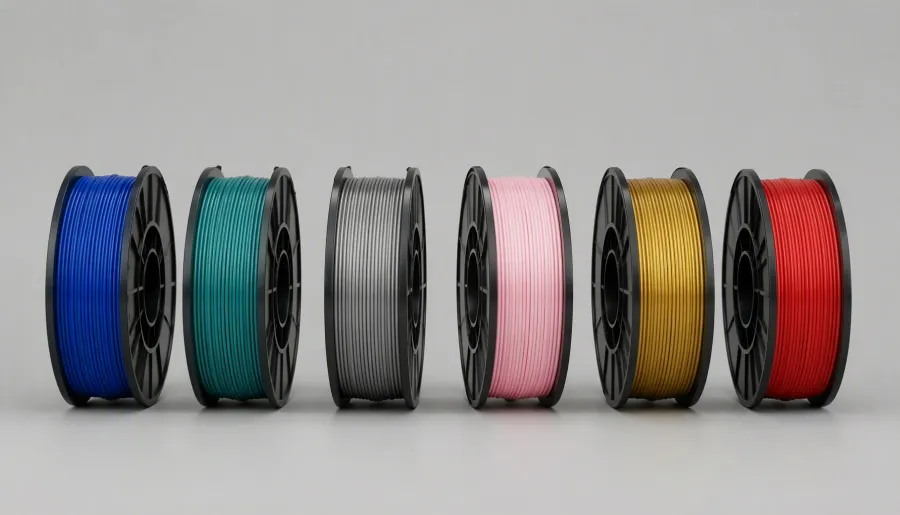
Between and beyond the standard sizes there’s a middle path: spool weights customized per project. Large-spool formats and custom weights can be supplied, with the specifics (weight, dimensions, minimums, pricing and lead time) confirmed per project, since they belong to the packaging and production setup and not to the material. A channel that standardizes on one weight for its machines or its retail shelving can get there. The route is a written specification, sample validation on the actual machines, and then volume.
Validation matters more here than with standard spools, because the format is new to your machine park. One machine, one profile, a first-article print, then rollout. It’s the same discipline as any material changeover.
Dimensions Beyond Weight
Buyers quote weight, but a spool’s physical dimensions decide compatibility: overall diameter, width, hub size and mounting style all have to suit the holder, the feeder path and any drying box in use. A machine that takes a 1 kg spool happily can turn away a wider one at the holder, or accept it and strain the feeder. If your park includes enclosed machines or dry-box systems, the internal clearances matter as much as the weight rating. The check is mechanical and a little boring: measure, or test one spool, before you order a format across the fleet.
Cardboard versus plastic spools is the same kind of decision. Recycling preferences, dimensional stability and behavior on a holder all differ, and channels usually settle on one for reasons that sit in packaging and brand more than in printing. Either way, it goes in the written specification next to weight and dimensions.
The Freight Dimension
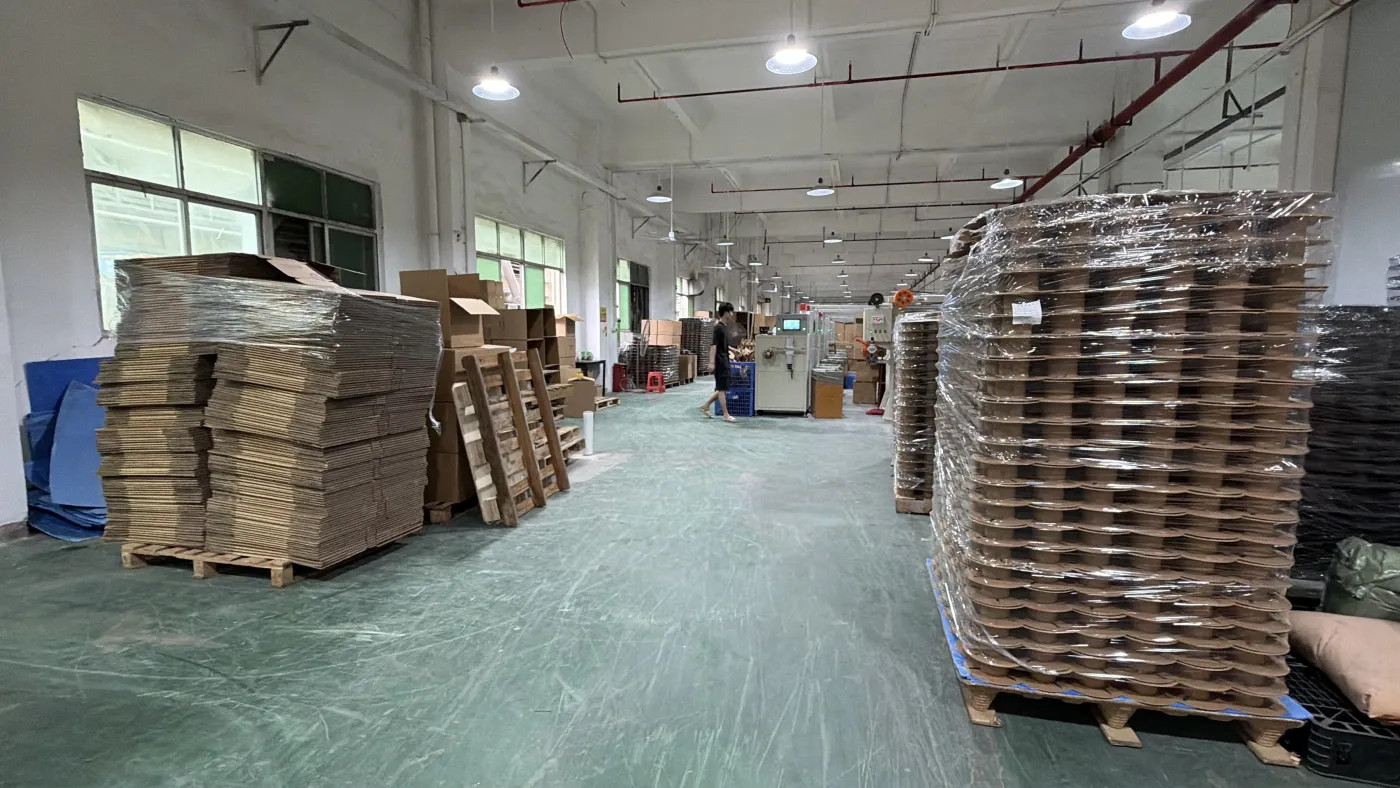
Spool format reaches into freight in ways a per-kilogram price hides. Filament ships as hollow cylinders in boxes, so carriers price volume as much as weight, and how densely the carton is packed, product versus air, moves the real cost per kilogram shipped. The landed cost model in the bulk buying guide builds this out. At the spool level the point is simple: format choice and packing quality belong in the freight conversation, not after it.
Choosing Without Regret
- Standard 1 kg for mixed work, color variety, untested holders, and inventory you want sealed until used.
- Larger formats for long continuous runs on machines confirmed to take them, with storage discipline already in place.
- Custom weights when the channel or machine park standardizes on one, validated on actual equipment before volume.
Format options and the commercial terms around them are confirmed through the wholesale filament relationship. More about FilaSource is on the homepage.
Frequently Asked Questions
What is the standard filament spool size?
1 kg net on a 1.75 mm spool is the industry standard, sealed with desiccant in individual cartons. Larger and custom-weight formats are available as project options, and 1 kg stays the default because it balances moisture exposure, defect cost and compatibility.
Are bigger spools cheaper per kilogram?
Often on material and changeover cost, less often once moisture losses, defect concentration and storage needs are priced in. The honest comparison is the landed cost model applied to your actual job mix, not the per-kilogram figure.
Can I order filament in custom spool weights?
Yes. Both routes are open: bigger spools, or weights set for your project. Weight, dimensions, minimums, pricing and lead time are confirmed in writing per project, and the format is validated on your machines before volume.
Do larger spools need different storage?
The same discipline, applied more strictly. Once opened, more material sits exposed for longer, so dated rotation, sealed bags with desiccant and a drying step matter more as spool size grows.
Does spool size affect shipping cost?
Yes. Filament is voluminous for its weight, so carton density and format dimensions feed directly into freight quotes. Format choice belongs in the freight conversation, alongside packing quality.