
Solutions · Print Farms
Filament for Print Farms: Validate the Batch Before It Reaches Every Machine
Your real cost includes machine hours, failed parts, operator time and missed delivery dates. Qualify selected filament under your own settings, record the result and define the repeat-order checks before scaling across the farm.
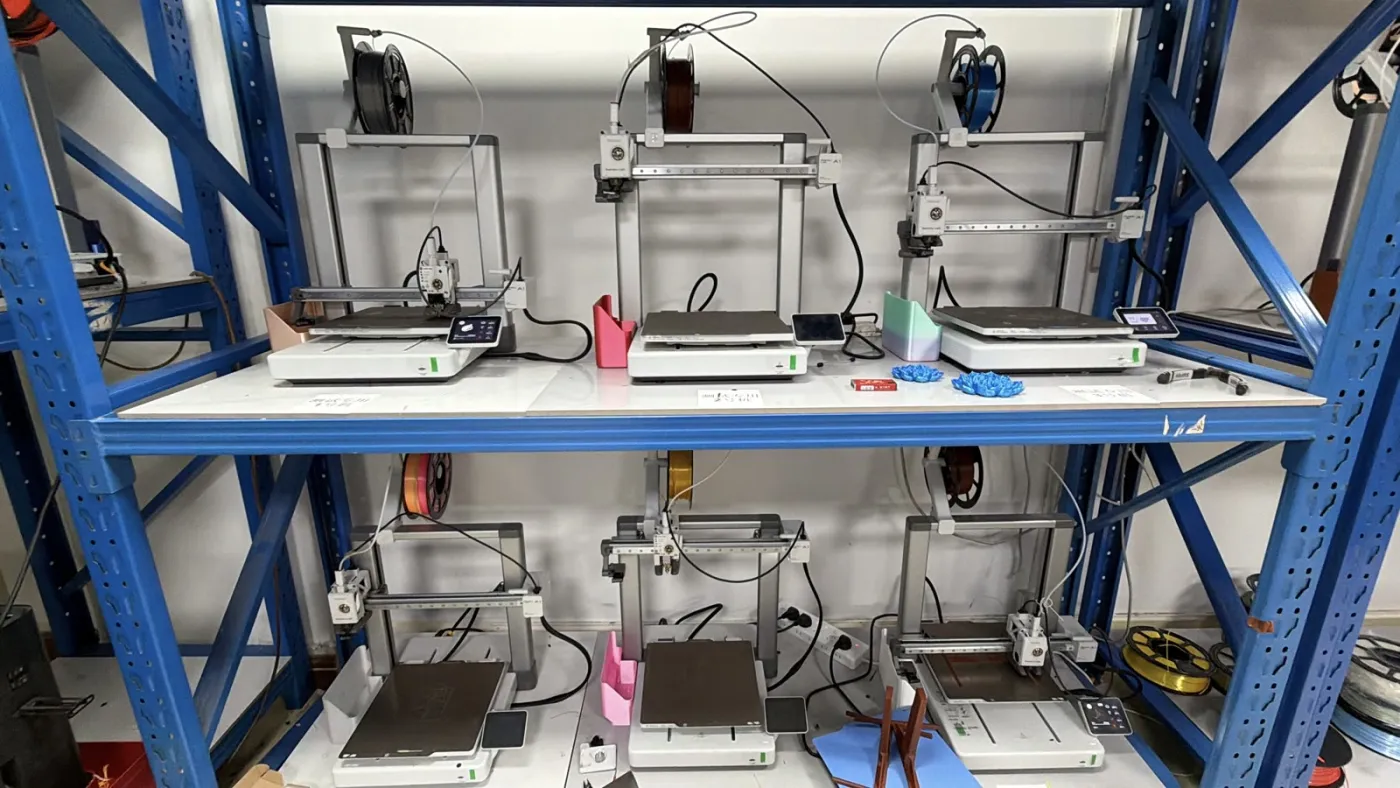
Photograph from the assessed manufacturing partner. Factory address is not published.
01 — Farm Reality
Where Filament Problems Hit a Print Farm
A farm does not return a bad spool to a shelf — it absorbs the cost in machine hours, missed deadlines and rework.
Failed long prints from inconsistent feeding
Hours into a long job, inconsistent feeding ruins the part. The machine time and the deadline are lost with the spool.
Batch changes affecting many machines
A new batch behaves differently across the whole farm — settings and expectations have to be re-validated on every machine.
Downtime when supply arrives late
Printers sit idle while the next order is in transit, and delivery commitments to your own customers start to slip.
No lot information for troubleshooting
When a job misbehaves, there is no lot or batch reference to trace — so the problem gets guessed at, or repeats.
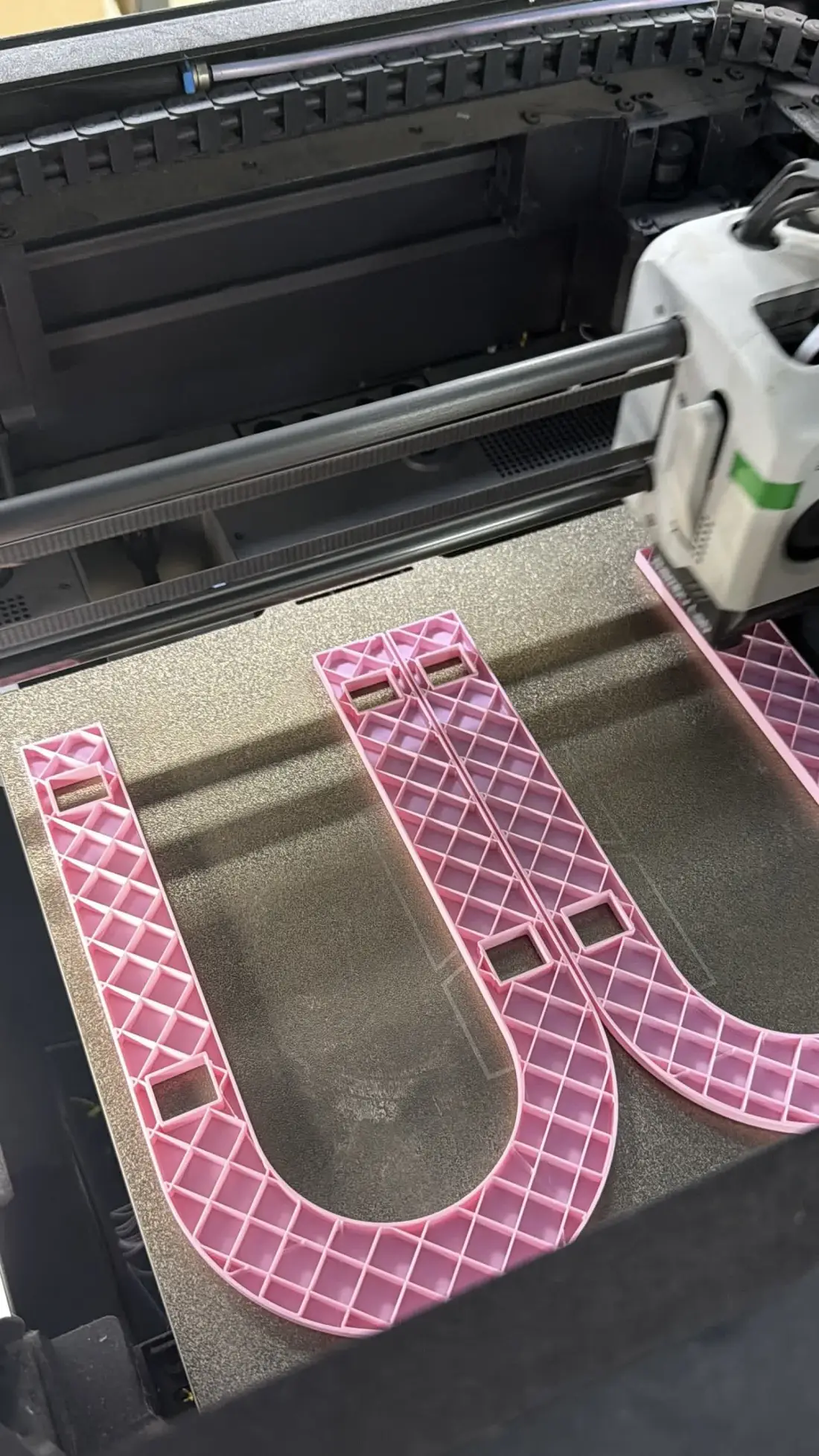
Photograph from the assessed manufacturing partner. Factory address is not published.
02 — How FilaSource Responds
Build the Supply Plan Around Successful Machine Hours
Every practice below serves one goal: machines that keep producing sellable parts.
- Validate under YOUR real settings. Production samples run on your printers, not a reference machine — record printer model, nozzle, temperatures and result before any volume commitment.
- Lot information retained. Lot identification traces finished spools back to raw material. If a job misbehaves, there is a reference to investigate — not a general answer.
- Repeat availability planned early. The next batch is planned before the current one is consumed. Lead time is confirmed in writing — around 10–15 days standard, subject to material, color, quantity, packaging and schedule.
- Vacuum-sealed for farm storage. Each spool is vacuum-sealed with desiccant, so inventory held between jobs stays protected in farm storage.
03 — Validation Record
The Sample Validation Checklist
A production sample is only useful with records behind it. Capture these fields for every machine you validate on — they become the baseline for every repeat order.
| Record field | What to capture | Why it matters |
|---|---|---|
| Printer model & nozzle | Machine and nozzle used for the test run | A result only means something when tied to the machines that run production |
| Material & color | Series, material and color of the sample | Identifies exactly what was validated, so repeat orders match |
| Temperatures used | Nozzle and bed temperatures, compared with the ranges from current labels (PLA: 200–230 °C nozzle / 45–65 °C bed; PETG: 220–255 °C nozzle / 50–80 °C bed) | A documented starting point for every machine in the farm |
| Print duration & result | Length of the job, feeding behavior and part outcome | Long runs expose problems that short test prints never show |
| Lot number retained | Lot information from the sample packaging, kept with your records | The reference point for troubleshooting this batch and future ones |
04 — How It Works
Turn One Test Result into a Repeat-Order Baseline
Request a production sample
Share your printer models, materials, colors and typical job lengths. We prepare a sample proposal — details confirmed per request.
Run it on your machines
Print under your real settings and long-run conditions, and record every run against the validation checklist.
Lock spec & lot expectations
Confirm material, color and quantity. Lead time is confirmed in writing before production starts.
Schedule repeat supply
Plan the next order before the current batch is consumed, so machines never wait on material.
05 — Before You Ask
Print Farm Questions, Answered Directly
How do production samples work?
What happens if a batch behaves differently on our machines?
How do we keep long-running jobs supplied?
Which materials can we run on the farm?
Start with a production sample and validate it under your real settings.
06 — Start Here
Validate It on Your Machines, Not Ours.
Tell us what you print, what material you use and what you need to validate.
Prefer email? Write directly to jason.mmmy@gmail.com — same details, same person.