Search for bulk filament and the first results are people hunting for a cheaper kilogram: a forum thread from someone who just bought a new printer, an argument about which marketplace listing is the best deal, a store with multi-roll packs. That’s a fair question. It just isn’t the one a business asks, and the word “bulk” hides the difference. For a shop, a brand or a print farm, bulk means three separate things at once, and each one carries its own risk.
What Bulk Means to a Business
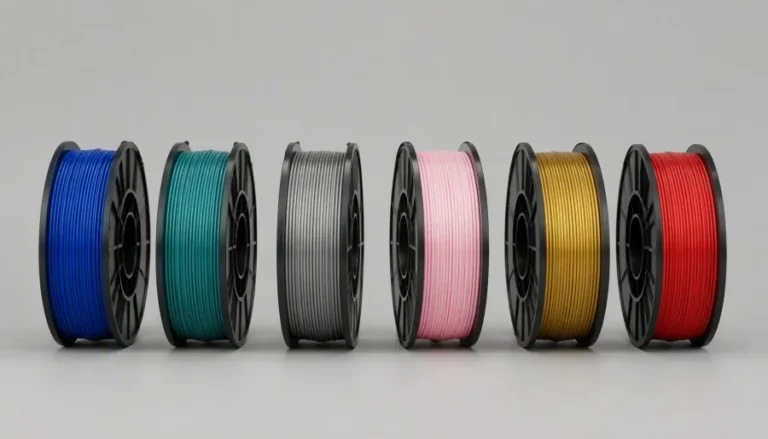
The first meaning is quantity: more spools per order, shipped in cartons. What can be ordered this way is the confirmed catalog: PLA, PLA+, Matte PLA and PETG, including the carbon-fiber reinforced grades, with the range in between covered on the wholesale page linked below. The second is format: larger spools, or spools of a custom weight. The third is terms: price tiers, payment, lead time and the documents that come with the shipment. A product page can say “bulk” and deliver only the first.
On format, we can supply large-spool formats and customize spool weight per project. The standard remains a 1 kg spool, so weight, spool dimensions and printer compatibility get confirmed in writing before an order is placed, along with minimums, pricing and lead time for that project.
The Quantity Ladder
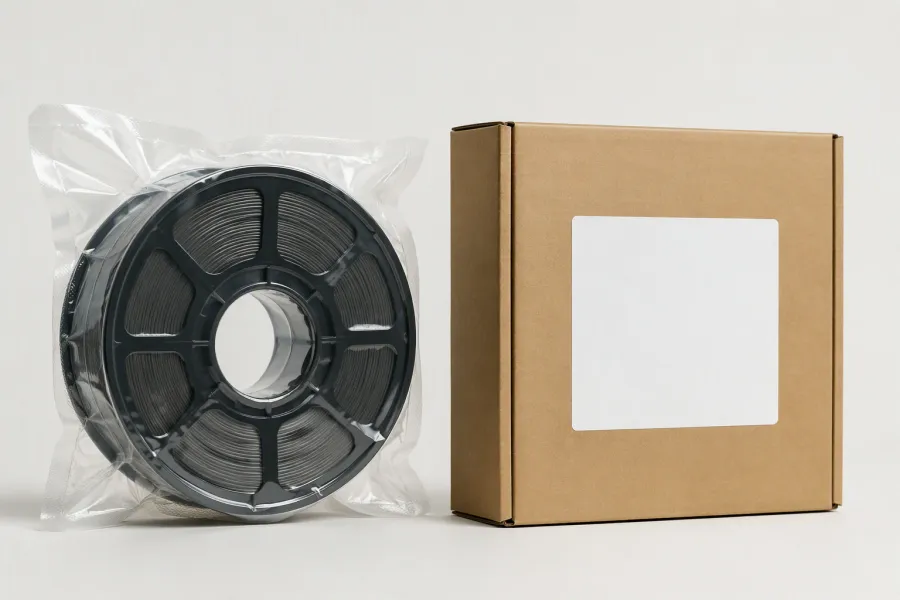
Most supply relationships start smaller than “bulk” suggests, and that’s deliberate. A mixed-SKU trial begins at 10 spools. Commercial orders begin at 100. Full custom packaging for a private-label design references 1,000 spools per design, and packaging minimums are quoted separately from filament minimums at every level.
Each rung answers a different question. The trial asks whether the supplier holds consistency across your chosen SKUs; our trial order guide covers how to structure it. The first commercial order asks whether they can repeat that consistency at your volume. The private-label tier asks whether your brand and packaging stay stable across reorders. Skipping a rung doesn’t save time, because the data from the lower rung is what justifies the spend on the next.
For the color split inside a trial, a planning heuristic is 60–70% core colors and 20–30% growth shades. That’s a sales suggestion, not a contract standard, and your first reorder should correct it with real sales data.
Large Spools or More Spools?
Larger spools reduce changeovers, which matters on machines running long jobs, and the print farm economics guide explains why changeover time is a real cost. They also concentrate things. More material sits in one moisture exposure window once the spool is opened. A defect in one spool costs more material. And the extra weight may not suit every spool holder or feeder system, so compatibility is something to test, not assume.
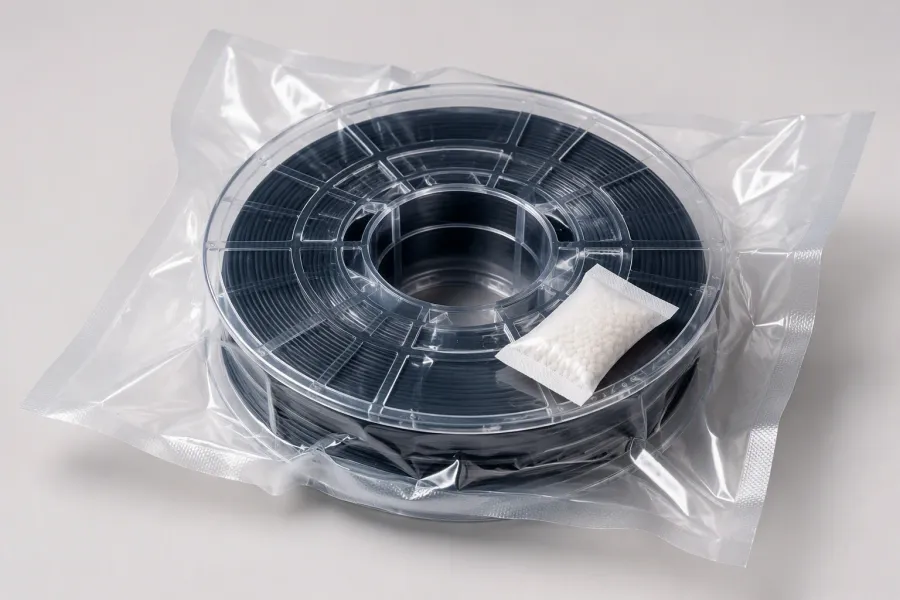
Our standard 1 kg spools behave the other way. Each one is vacuum-sealed with desiccant in its own carton, so you open only what you use, mix colors freely, and lose less when a spool has a problem. The price is more changeovers and more packaging per kilogram.
The decision rule is practical: match the format to the printer, the length of the job and the storage you have. If you can’t say which of your machines will take a larger spool, test one before you order a pallet.
What Bulk Does to Risk
Buying more changes three risks, and none of them appears on a price list.
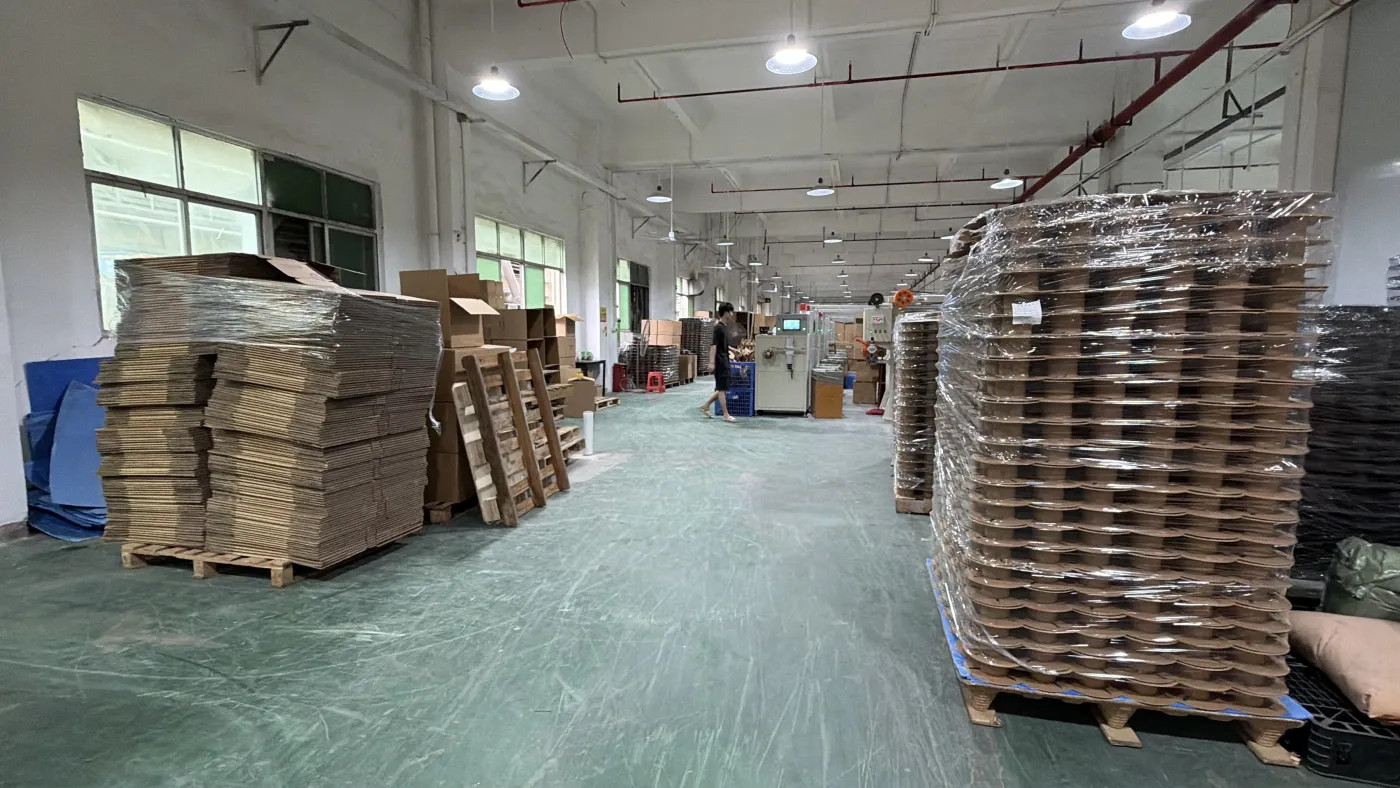
Moisture has more time to act. Bulk stock sits longer, and an opened spool isn’t protected. Sealed packaging with desiccant protects the material until you open it, so the storage habits in our storage guide and the arrival checks in the packaging guide matter more as inventory grows.
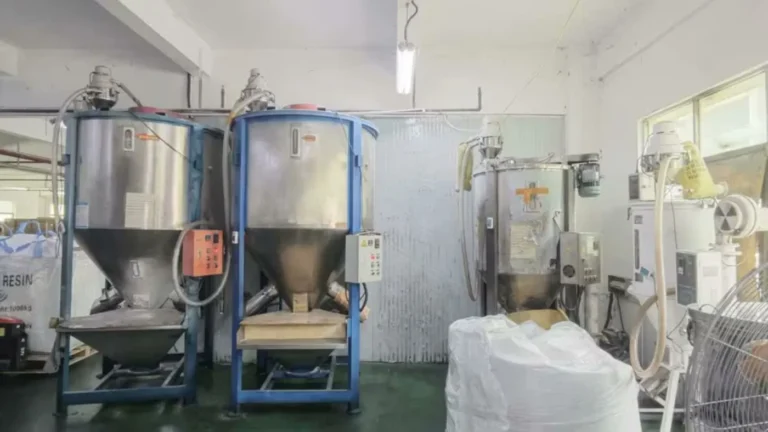
A flaw can spread across the whole order. If a large order comes from a single production batch, a problem is everywhere at once. That’s why we validate cross-batch consistency across at least two independent production batches before volume, and why finished goods at our factory carry batch identifiers that trace back to raw-material lots. Ask for lot identifiers on every shipment, so a problem can be located when it shows up.
Cash gets tied up in slow stock. A discount on a color you haven’t sold yet is an unpriced bet. Weight orders toward the colors that will sell regardless, and treat new shades as small tests.
The Terms Behind the Price
A price per kilogram leaves out freight, duty, waste and operator time, which is why the landed cost guide builds the full model. The terms matter just as much as the number.
Samples and trial orders are prepaid in full. Production orders run on a 30% deposit with 70% before shipment by T/T, and repeat customers can negotiate from there. Production takes 10–15 days after specifications and deposit are approved, which does not include shipping or customs. Incoterms are evaluated per project, and a DDP price is calculated per order from quantities, carton specifications and destination, so it can’t be a fixed number on a web page.
A quote that says “bulk price” without these terms is half a quote.
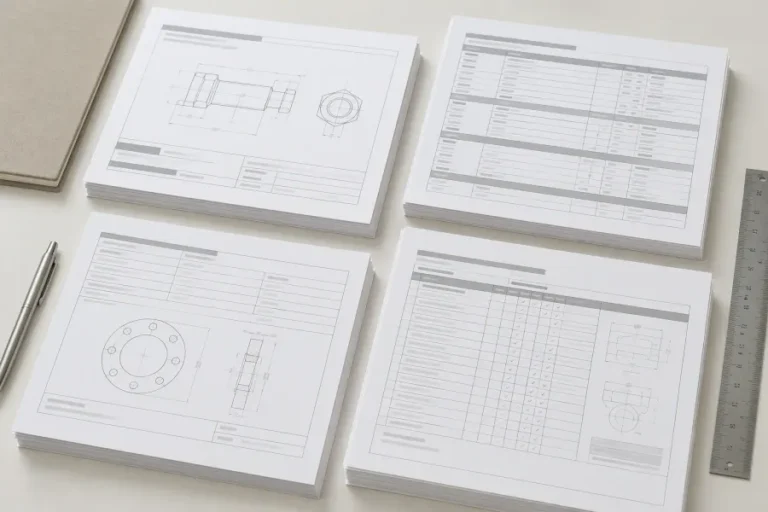
Documents are their own item on that list: datasheets, safety sheets and certificates are arranged per SKU, and until a document is signed and verified it isn’t claimed as held. Ask which documents ship with your SKUs before the first commercial order.
Carrying the Approved Sample Into Volume
The sample that convinced you only matters if volume production can be held to it. For color, approval starts with a physical sample, then Pantone references, with screen images treated as direction only. Production is matched to the approved sample, the golden sample, rather than to anyone’s memory of it. We don’t promise zero color difference between batches. What a controlled process gives you is a retained reference and a comparison against it.
Put the approved version in writing before the first commercial order: the SKU, the color reference, the packaging and the quality criteria. When someone later says a batch looks different, there’s a document to settle it.
Planning the Reorder
The production clock shapes every reorder. Production takes 10–15 days after approval, shipping and customs come on top, and a stock-out is what happens when a reorder starts after shelves are already thin. A workable reorder point covers what you expect to sell during production and transit, plus a margin for delays you can’t see.
For repeat programs, a rolling forecast by SKU, reviewed on a regular schedule, turns emergency orders into planned ones, and planned orders are where lead time and landed cost behave best. Keep safety stock modest. It’s cash as well as insurance, and stock that sits longer needs the careful storage described above.
Questions to Ask Before You Scale
- Which spool formats and weights are confirmed for this project, in writing?
- What is the diameter specification for each grade, and what record sits behind it? Our standard is 1.75 mm at ±0.02 mm with in-line monitoring during production.
- Is the bulk carton packed to the same standard as the sample, with each spool sealed and carrying desiccant?
- Will every shipment carry lot identifiers I can trace?
- Is the production reference the approved sample, and where is it kept?
- What are the payment steps and the production clock, from approval to ship date?
The route from trial to commercial volume, including large-spool and custom-weight projects, is laid out on our wholesale filament page. More about FilaSource is on the homepage.
Frequently Asked Questions
What counts as bulk filament?
There’s no fixed definition. For a business it usually means a larger quantity of spools, a larger spool format, or both, bought under agreed terms. Our entry points are trial orders from 10 spools and commercial orders from 100.
What is the minimum order?
Mixed-SKU trials start at 10 spools and commercial orders at 100. Full custom packaging for a private-label design references 1,000 spools per design, with packaging minimums quoted separately.
Can I get larger spools or a custom spool weight?
Yes. Large-spool formats can be supplied and spool weight can be customized per project. Specific weights, minimums, pricing and lead time are confirmed for each project.
How does payment work on a bulk order?
Samples and trial orders are prepaid in full. Production orders use a 30% deposit and 70% before shipment by T/T, and repeat customers can negotiate terms.
How long does a production order take?
Production runs 10–15 days after specifications and deposit are approved, not counting shipping or customs. Custom projects are confirmed separately.