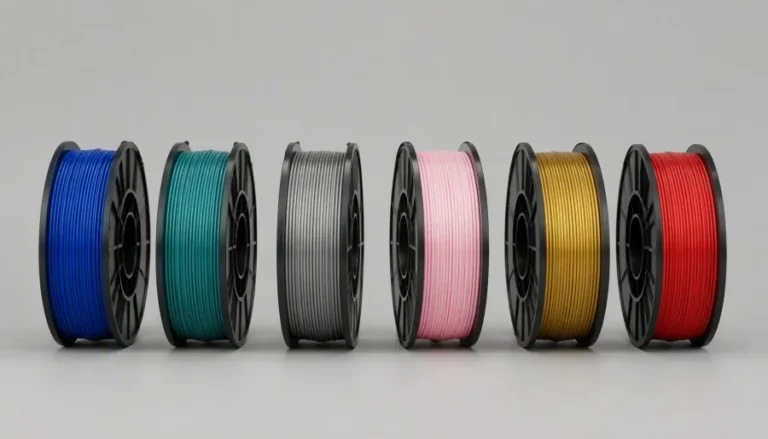
Every buyer’s first order carries the same fear, and it isn’t quality — it’s inventory. Order one SKU in bulk and you learn whether that SKU sells on your shelf, at full risk. Order a sample of one color and you learn nothing about the supplier’s range. The structure that resolves both fears at once is the mixed-SKU trial order: a small, deliberately diverse order that tests the supplier’s consistency across multiple products without betting the warehouse on any of them.
A filament trial order done right is an experiment with a purchasing receipt attached. This guide covers how to structure one — SKU selection, color ratios, batch validation, what the trial accidentally tests for free — and how to avoid the dead inventory the structure exists to prevent.
The Structure in One Paragraph
A mixed-SKU trial starts at ten spools and can combine any series and colors within a material, or span across PLA, PLA+, Matte, and PETG in a single qualification round. It ships in the supplier’s standard packaging, deliberately, so what you see is the baseline, not a curated impression. Total outlay lands between five hundred and two thousand dollars for most buyers. Behind that modest number, the trial tests nearly everything a commercial relationship depends on: batch consistency, packaging integrity, freight density, landed cost accuracy, and how the supplier behaves when you ask questions. The trial’s information density per dollar is what makes it the entry point.
Choosing the SKUs
The selection principle is the same one the second-source qualification uses, extended to product range: pick the SKUs where knowledge has the highest value. A core color that will carry your reorder volume, because that is where consistency matters most. A growth color your channel is asking for, because that is where the supplier’s color program either reaches or falls short. And one material or series outside your comfort zone such as PETG if you sell PLA, or a matte finish if you sell gloss. because the trial is the cheapest way to learn whether your range should widen.
The SKU count discipline matters more than buyers expect. Every SKU beyond a handful adds evaluation time without adding much information about the supplier, and a trial that sprawls into a miniature catalog stops being an experiment and becomes a small, badly planned inventory purchase. A handful of SKUs, chosen for information, works.
A Worked Example
Concretely: a channel selling to schools and hobby shops structures a twelve-spool trial as six black and two gray in the core, two macaron pastels as the growth probe, and one PETG black and one matte white to answer the range question. Every SKU answers a specific question, the reorder logic is visible from the structure, and if the trial fails on packaging or consistency, the core spools still sell through. Every spool in the order has a sell-through path regardless of the trial’s verdict.
The Color Ratio
For the color split inside the trial, the starting ratio that mirrors how catalogs actually sell runs roughly sixty to seventy percent core colors : black, white, gray. with twenty to thirty percent growth shades, and the remainder whatever the channel mix justifies. The logic is simple: core colors are where reorders concentrate and where consistency drift hurts most, so they deserve the majority of the test volume. Growth colors are where the supplier’s color program either delights you or quietly disappoints, and one or two of them in the trial tells you which.
The ratio is a planning heuristic rather than a contract standard, and the first reorder cycle should correct it with real sales data. A channel that finds its growth shades outselling the core has learned something about its customers; a channel that finds the core carrying everything has data on its growth shades.
What the Trial Tests for Free
Beyond print quality, the mixed-SKU structure quietly tests five things a single-SKU order cannot:
- Cross-SKU consistency. Do the black and the gray from the same batch behave identically? Does the PETG hold the same tolerance as the PLA? Range-level consistency is the single best predictor of reorder quality.
- Color program depth. Does the growth shade arrive matching an approved reference, or approximately matching a screen? The trial is the cheapest color audit a buyer can run.
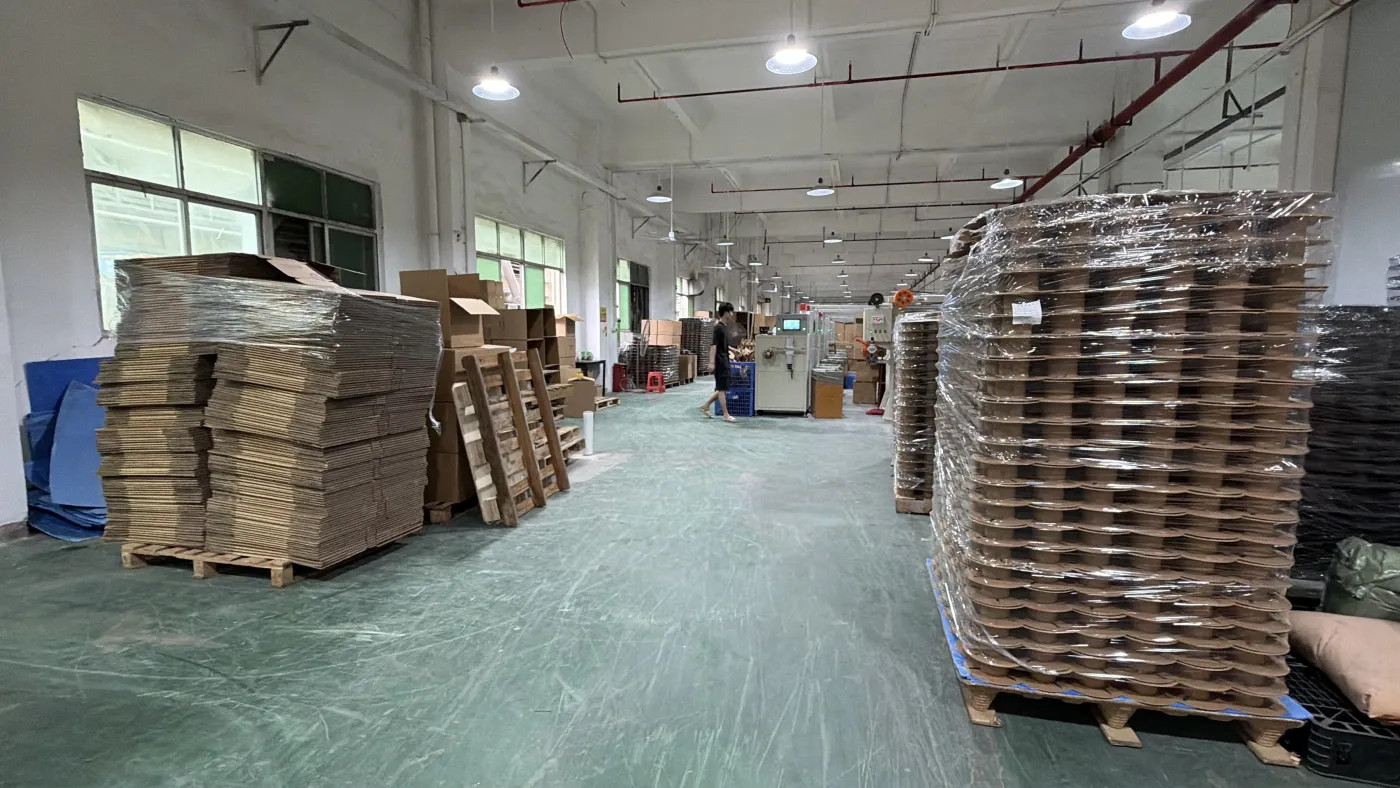
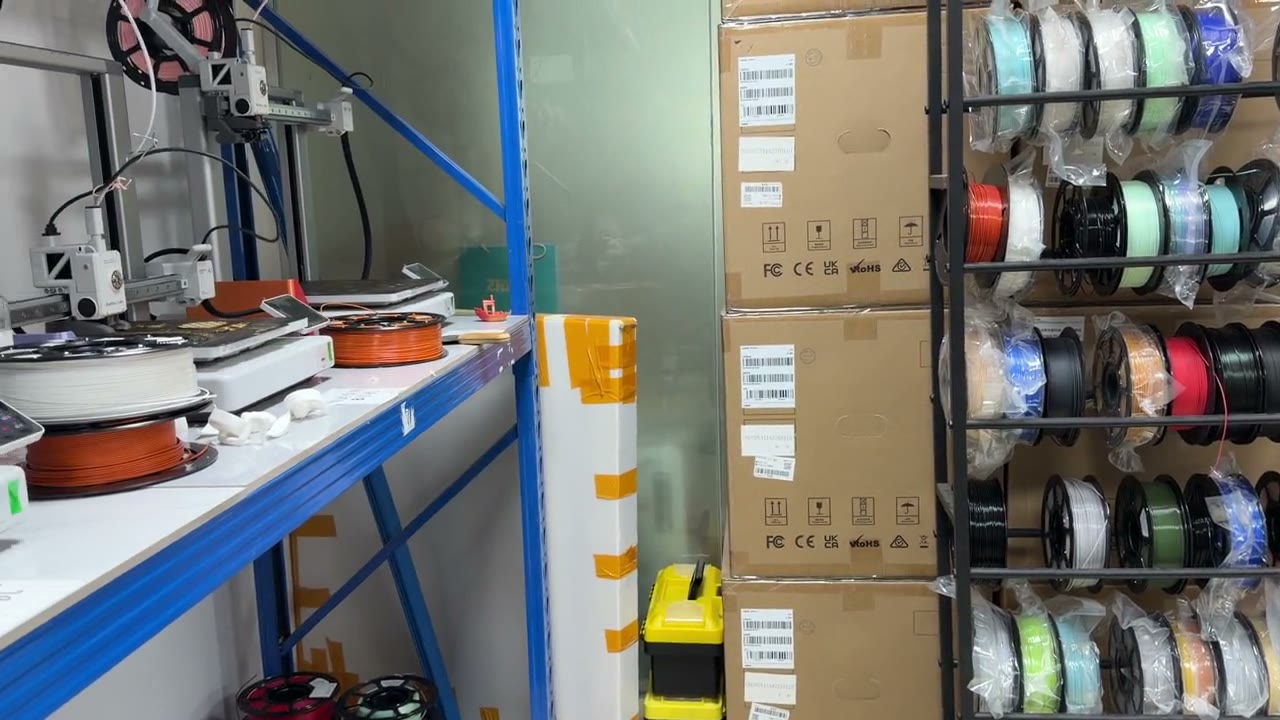
- Packaging at volume. One spool shipped carefully proves little; ten spools packed in standard cartons reveal whether the packaging system works or the first impression was hand-tuned.
- Freight and landed cost. A multi-SKU carton shows real packing density, and the invoice tests the quotation’s freight, duty, and Incoterm arithmetic against reality — the same model our landed cost guide builds.
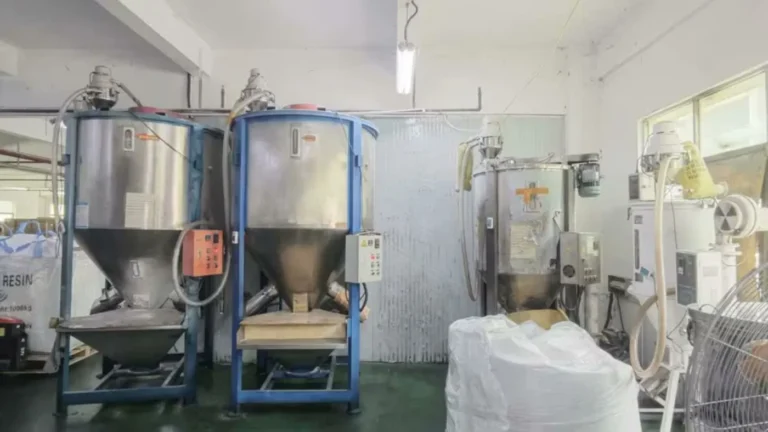
- The supplier under questions. A buyer who asks for the diameter log, the drying spec, and the batch data during a small trial learns more about the supplier’s culture than any sales presentation will show.
Writing the Pass/Fail Criteria
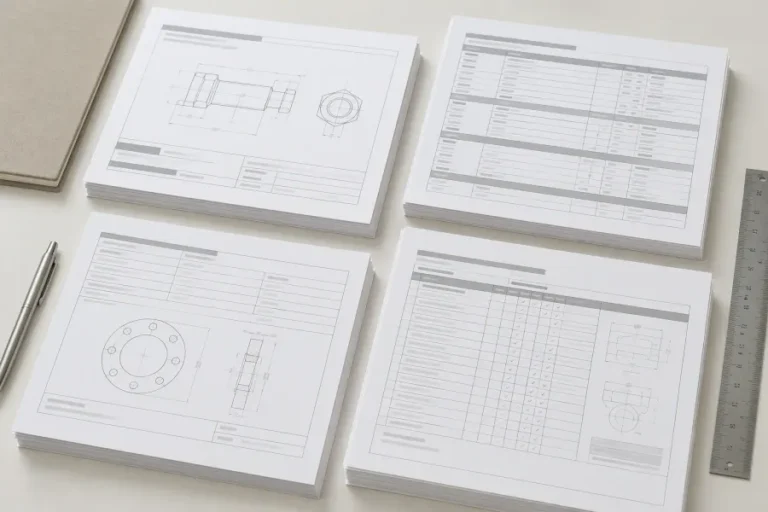
Before the samples print, the criteria exist in writing: diameter held on your machines against the supplied logs, color matched to the approved reference, net weight as specified, layer adhesion within your product’s norms, packaging arriving sealed and sound. The trial evaluates against these written lines, and the criteria document doubles as the communication tool — the supplier knows exactly what is being measured and can decline honestly if they cannot meet it.
The batch discipline carries over unchanged: production-representative spools from at least two independent batches, because a single batch proves a moment. The qualification guide covers the full stage-by-stage path of which the trial is the center; the trial itself is the focus.
The Conversation the Trial Opens
A well-run trial changes what happens next in a way single-SKU orders cannot: it gives both parties a shared evidence base. The supplier has seen which SKUs you evaluated and how; you have seen how they responded to your records requests, your packaging inspection, and your questions. The commercial conversation that follows starts from demonstrated behavior, with the quotation and the hope secondary, and every element of it is easier for the evidence.
Avoiding Dead Inventory
The failure mode of badly structured trials is exactly the fear that motivated them: slow-moving stock. The prevention is in the ordering logic. Size the trial to your evaluation needs, with volume discounts aside — the discount on twenty extra spools of a color you haven’t validated is not a saving; it is an unpriced bet. Weight toward core colors that will sell through regardless of the trial’s outcome, so even a failed evaluation leaves inventory that moves. And treat growth colors as information purchases: one or two spools answer the color question; a hundred spools of an unvalidated shade is what this structure prevents.
The reorder conversation is where the trial pays out. Spools that sold fast earn volume; spools that didn’t teach the channel something at ten-spool cost, well before pallet cost. The ladder from there is straightforward: commercial orders from a hundred spools, full private-label packaging at a thousand per design, with packaging minimums quoted on their own schedule. Every rung is a decision made with trial data behind it, which the structure was built to deliver.

The commercial terms around a trial are worth knowing before it starts, because they shape what the trial can be. Sample and trial orders run on full prepayment by standard practice, which is reasonable at this scale and keeps the entry barrier honest. Production runs ten to fifteen days after specifications and deposit are approved, so the trial calendar has real lead time built into it. Quotations carry their own validity windows, shorter for anything involving freight or DDP pricing, which is another reason the landed-cost model matters at trial stage. And the Incoterm choice, usually FOB at this scale, determines who owns the freight risk while the carton is still small enough for the lesson to be cheap.
None of these terms is unusual, and none is a barrier. They are simply the framework within which the trial operates, and a buyer who knows them before the first call runs the experiment with fewer surprises and a better conversation.
Structuring the Order
The path to running one sits with the filament distributor relationship. More about FilaSource is on the homepage.
The timing discipline completes the structure. A trial run in a hurry tests nothing except your patience: the two batches need their production spacing, the test prints need their long runs, and the evaluation needs a quiet hour to read results against criteria, with time to spare. Most trials take weeks, and the calendar is part of the experiment.
Frequently Asked Questions
What is the minimum for a mixed-SKU trial?
Ten spools, mixed across any series, colors, and materials within the confirmed range. The entry point is deliberately low so the evaluation happens at information cost, with commercial volume held back until the data justifies it.
Can I mix materials in one trial order?
Yes. PLA, PLA+, Matte, and PETG can share a single trial, which is the cheapest way to test cross-material consistency. Each material’s validation criteria should be written separately, since PETG’s moisture sensitivity tests differently from PLA’s brittleness discipline.
How many colors should a first order include?
Weight toward core colors at sixty to seventy percent with one or two growth shades at twenty to thirty, then let the first reorder cycle correct the ratio with sales data. Core colors prove consistency where it matters; growth colors probe the color program’s reach.
What does a trial order actually cost?
Between five hundred and two thousand dollars for most buyers, including the spools and the evaluation effort. Against the cost of learning the same lessons on a commercial order, it is the cheapest line item in the sourcing budget.
How does a trial order connect to becoming a second source?
The trial is the center of the qualification path — SKU selection, sample validation, trial order, then AVL approval. A supplier who passes a structured mixed-SKU trial has been validated on consistency, range, packaging, and behavior, which is most of what second-source status certifies.