Everyone’s first spool is PLA, and that familiarity is exactly why it gets underestimated. Buyers who can recite its print settings from memory still plan catalogs around rumors that it cannot hold a dimension or survive a windowsill, and that fancier materials have taken its job. Some of that is true, some is folklore, and the difference matters when you are deciding what carries the volume of a filament business.
So: what is PLA filament, when the question is a sourcing decision? Start with what the material actually is, then where it stops, then what arrives with the first pallet. Our PETG explainer covers the functional side of a range.
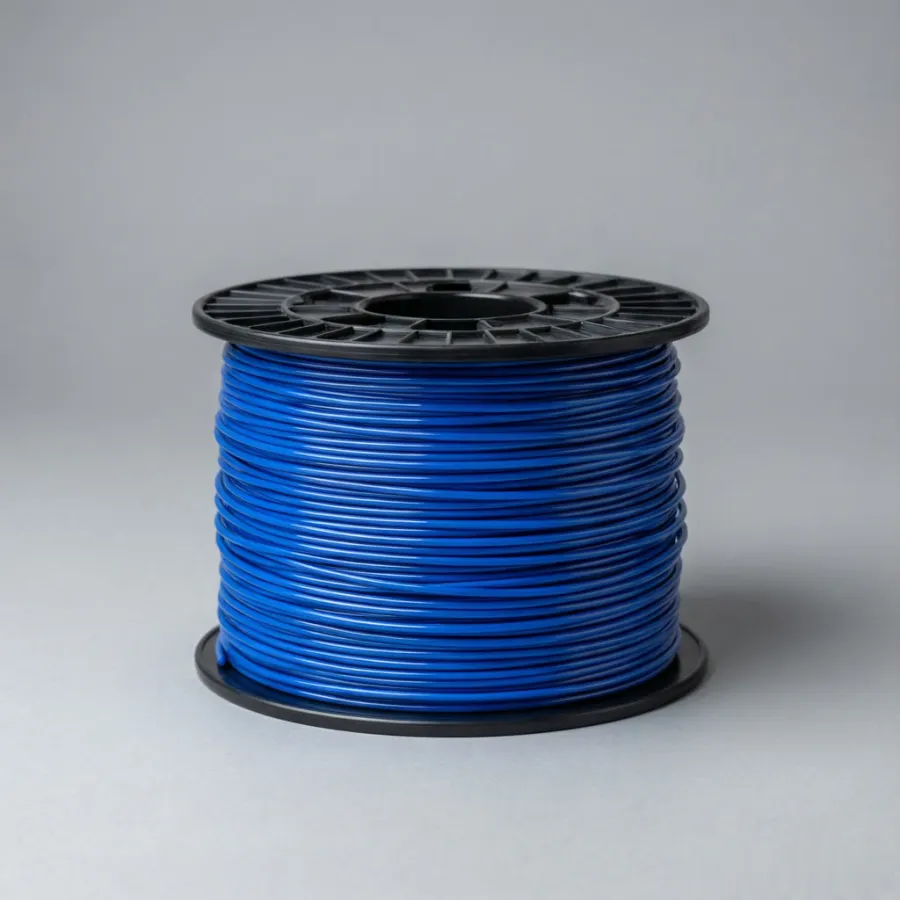
What PLA Actually Is
PLA stands for polylactic acid, a polymer made from plant starch, usually corn, fermented into lactide and polymerized from there. The bio-based origin earns PLA a green reputation that deserves careful handling. PLA composts only under industrial conditions, the controlled heat and humidity of a commercial facility, and behaves like ordinary plastic in a landfill, a river, or your backyard bin. The defensible phrasing is industrially compostable, and a supplier who stretches that to “biodegradable” on a product page is showing you how they handle every other claim.
In spool form PLA runs on the same 1.75 mm hardware as everything else, prints without an enclosure, and holds fine surface detail and dimensional accuracy. Those last two properties are why display parts, prototypes, and visual models default to it.
One sourcing note that catches buyers: “PLA” on a quotation covers a family of formulations. Pellet grades differ in melt flow between suppliers, and two spools both labeled PLA can print noticeably differently on the same profile. That is why our sample stage exists the way it does: a settings sheet for your machines, validation on your printers, and no assumptions carried over from whoever supplied you last. If your fleet runs profiles tuned to another supplier’s PLA, expect a short recalibration. The settings sheet exists so that step stays small.
Why PLA Carries the Volume
The commercial case for PLA is printability economics. It forgives generic profiles and unheated beds. It runs fast, and it shrinks so little that warping is a non-event on normal parts, which is why PLA handles large flat prints that give other materials trouble. Across a fleet that adds up to fewer failed prints per operator hour, and across a retail channel it adds up to beginners succeeding on the first evening. When your customers are general users rather than engineers, forgiveness is a feature you can price.
The same forgiveness shows up in your support costs. A material that prints on whatever profile shipped with the machine generates fewer tickets and fewer one-star reviews, because the customer’s only mistake was buying filament that needed babysitting. Buyers who track warranty and complaint costs per SKU tend to find PLA quietly subsidizes the louder products around it.
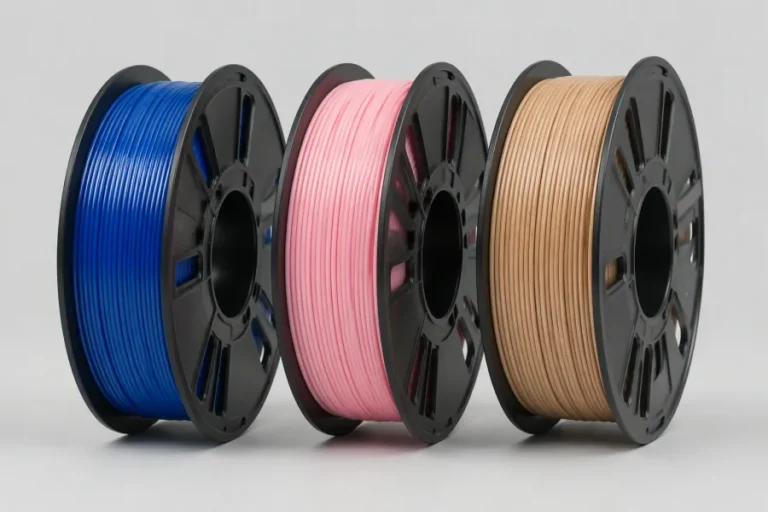
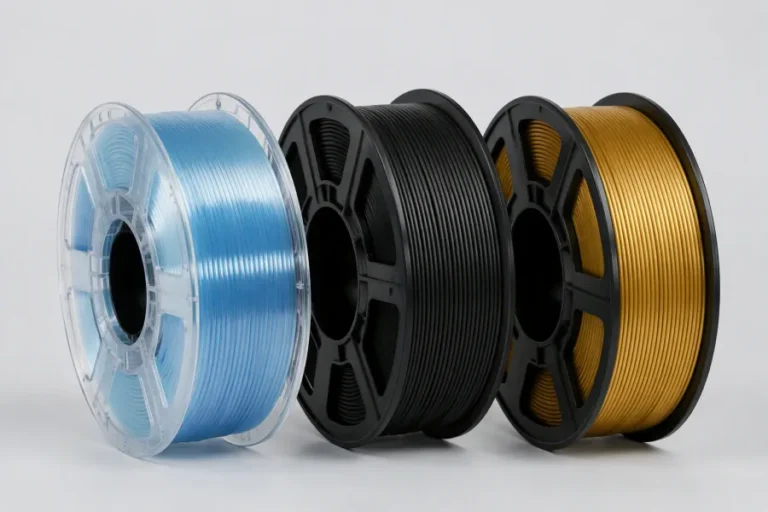
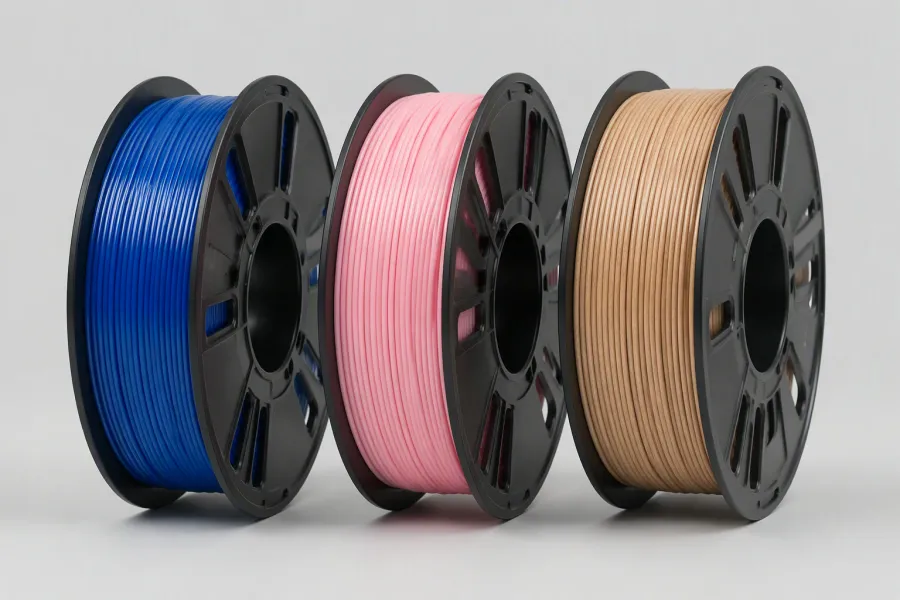
The second reason gets less attention: color. PLA is where a catalog’s color range lives first, because the material takes masterbatch well and the volume justifies the palette. Our own planning heuristic for mixed trials runs roughly 60–70 percent core colors and 20–30 percent growth shades, and the core of that base is always PLA. Treat the split as a starting point and let the first reorder cycle correct it. A supplier’s PLA color program is therefore a decent proxy for their color management generally: if blacks and grays drift between batches, the macaron line will drift worse. E-commerce listings compound the point, because a range photographed together sells as a system, and PLA is the material with enough breadth to be photographed that way.
Where PLA Stops
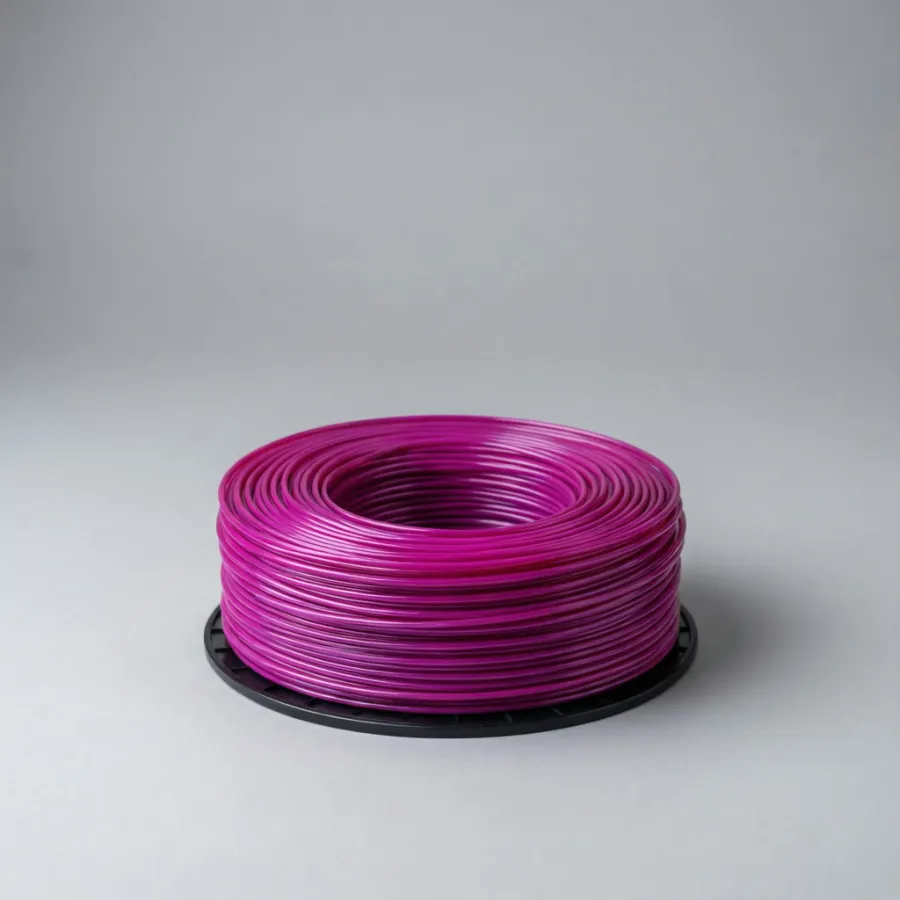
Three limits decide which SKUs it should not carry. Heat is the famous one: published polymer reviews place PLA’s thermal trouble around the mid-50s Celsius, which is a closed car in summer or a part near warm electronics. It doesn’t melt so much as slowly relax out of tolerance. Color plays a part too: a dark part in direct sun rides closer to that limit than a light one, which is one reason outdoor-adjacent PLA SKUs skew pale. Brittleness is the second: PLA is rigid and snaps where a tougher material bends, so anything that gets dropped, clamped, or handled roughly belongs on the PETG side of the catalog. Moisture is the third, and quieter: PLA absorbs water from the air, and damp PLA prints with popping sounds and turns brittle.
Moisture deserves the practical follow-up, because it is the limit you can actually control. On the supplier side the question is packaging: vacuum film with desiccant per spool, and a seal that survived the journey to your dock. That the seal existed when the batch left the plant proves nothing on its own. On your side it is rotation: first-in-first-out for sealed stock and a dated habit for anything opened. Ask for the per-material re-drying guidance with the first order; otherwise the first stringy week teaches it to you. None of that is difficult, and all of it is cheaper than writing off a pallet.
None of these limits is an argument against PLA; they’re routing instructions. Visual and indoor volume stays here; functional, hot, or roughly handled product moves to PETG, and the full trade-off, including cost per successful print, is worked through in our PLA vs PETG production comparison.
PLA+ and the Wider Family
The plus sign deserves its own honesty note, because search results for plain PLA are already full of PLA+ comparisons. There’s no industry standard for what the plus means; it usually signals impact-modified resin with better toughness, but one supplier’s PLA+ is another’s basic blend. The way through is to ask what the plus means for the specific SKU being quoted, in test indicators, not adjectives — our PLA+ explainer covers the full verification method. In practice a plus usually buys impact behavior and layer adhesion, sometimes at the cost of a little stiffness. The two indicators worth requesting: how the grade behaves on the drop-and-clamp parts you actually sell, and whether layer bonds hold on tall thin geometry, since those are where modified blends earn their price. Ask for numbers from parts shaped like yours, because demo geometry is chosen to flatter the grade.
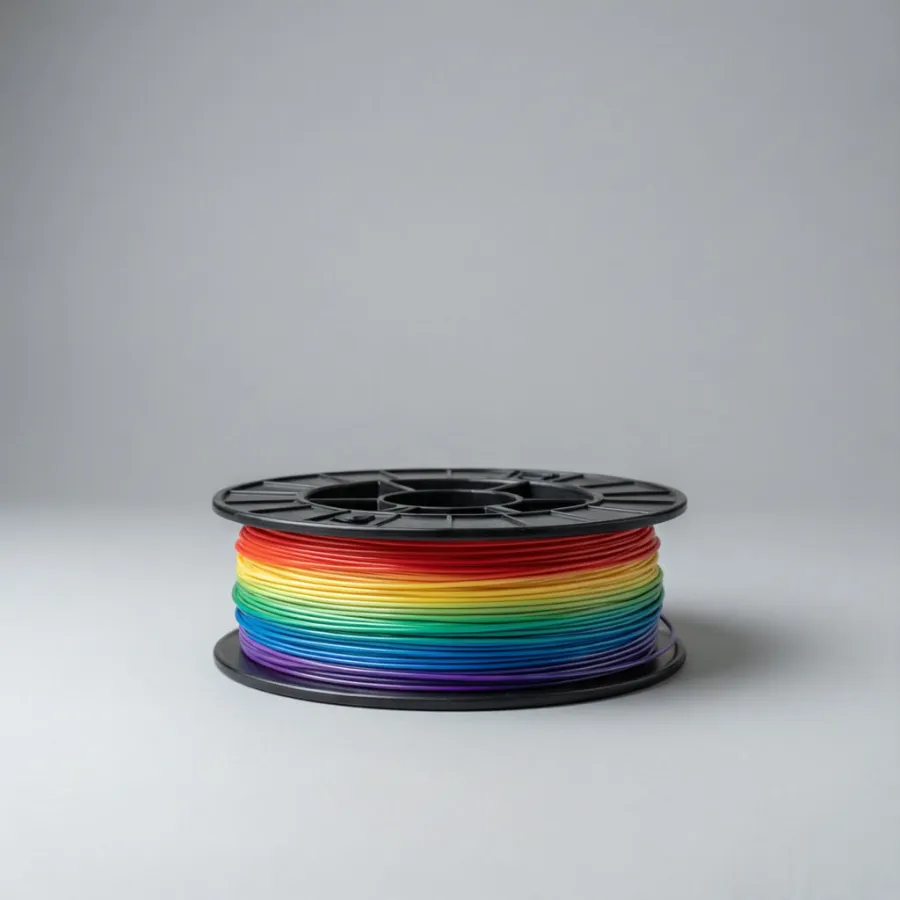
Around the base and the plus sits the specialty family, and ours runs nine series. The reorder engine is Basic, in twenty-plus standard colors; everything else earns its place by giving a shelf a reason. Macaron covers pastel gift and décor lines, and Marble hides layer lines under a stone finish for display and home products. Rainbow sells multi-color printing without multi-material hardware, and Chroma pushes saturation for signage and retail presence where plain color disappears into the wall.
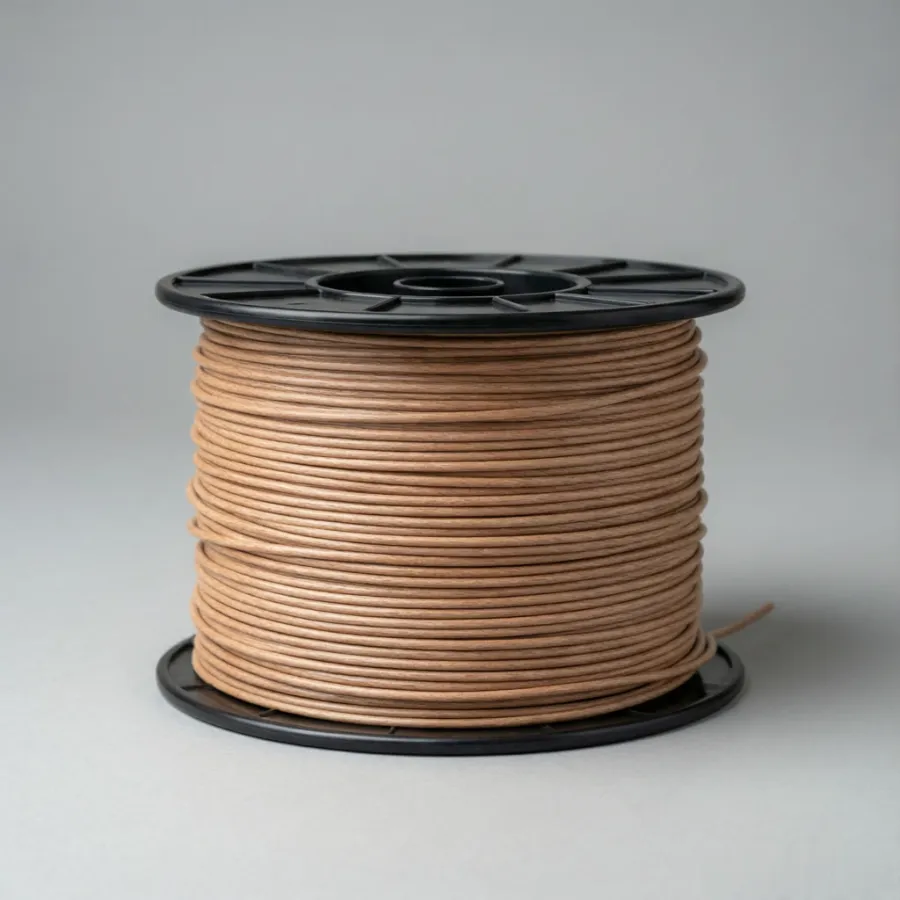
The rest of the family reaches further from the center. Wood carries real wood fiber for craft and artisan shelves, Thermo shifts color with temperature for toys and novelty, and Glow charges in daylight for signage and safety SKUs. PLA-CF is the technical outlier: carbon fiber reinforcement makes it stiff and matte for jigs and functional parts, with the same hardened-nozzle note that applies to any fiber-filled grade. Matte PLA sits adjacent as its own line, where the finish is the product: a low-reflection surface that photographs without glare, chosen by channels selling to designers and studios rather than to the general hobby shelf. It prints like the rest of the family and prices like a premium line, so it earns its place selectively, by channel. Every series prints like PLA at heart; the differences between them are shelf decisions.
What to Ask Before the First Pallet
The specification side of PLA is short, because the material is well understood; the discipline is in what arrives with it. Our own sheet: 1.75 mm diameter at ±0.02 mm, nozzle window 200–230 °C, bed 45–65 °C, 1 kg net weight per spool, vacuum-sealed with desiccant in every carton, in-line diameter monitoring during production, finished-goods inspection, and batch traceability back to raw material lots.
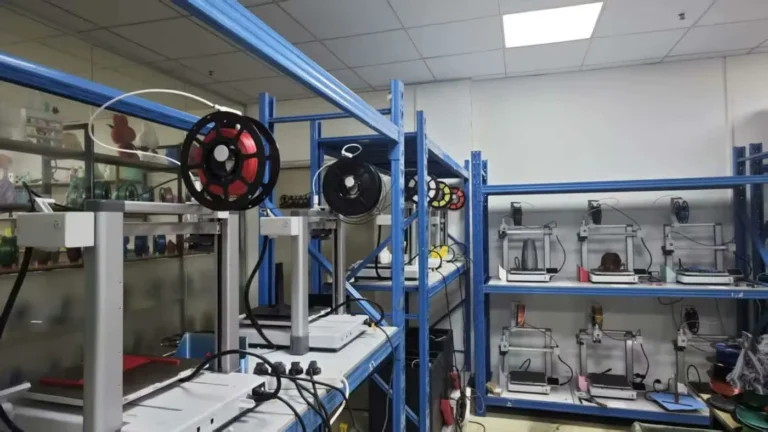
Two promises matter more than the numbers. First, a settings sheet should ship with your samples, listing the nozzle and bed windows for the grade, a starting profile for common machines, and the drying spec, so validation happens on your own printers; we make no universal-compatibility claims for exactly that reason, and treat sample-stage validation on customer equipment as the real test. Second, consistency is a records question: validate across at least two independent production batches before the commercial order, and ask to see the diameter log and the retained color standards behind the batch you are buying. The pellet-to-spool manufacturing walkthrough explains where each of those documents comes from. When the volume justifies it, the PLA filament supply page lays out the qualification path, and more about FilaSource and the second-source model is on the homepage.
A concrete trial settles it faster than any brochure. A common first order pairs a core color, black or gray, with one growth shade your channel actually wants, from two independent batches, and runs them against written pass/fail criteria: diameter held on your machines, color matched against the approved reference, net weight as specified, spools sealed on arrival. Ten spools is enough to learn whether a supplier’s PLA program is real; the reorder volume is where you find out whether it stays that way.
Frequently Asked Questions
Is PLA biodegradable?
Only under industrial composting conditions, with controlled heat and humidity. In home compost, soil, or water it persists like ordinary plastic. “Industrially compostable” is the accurate claim; anything broader is marketing.
Why is PLA brittle?
Because it’s rigid. The same stiffness that holds crisp detail means the material snaps under impact where a tougher one would survive. For parts that get handled or dropped, move the SKU to PETG; for parts that sit still and look good, brittleness rarely matters.
What is the difference between PLA and PLA+?
PLA+ usually means impact-modified PLA with improved toughness, but the term is not standardized across the industry. Ask what the plus means for the specific SKU in test indicators; a supplier who cannot answer is selling a suffix, not a formulation.
Does PLA need drying before printing?
Fresh sealed stock, normally no. Opened or loosely stored spools, eventually yes: PLA absorbs moisture, and damp PLA pops during printing and turns brittle. Sealed packaging with desiccant, FIFO rotation, and per-material drying guidance cover it.
Can PLA be used outdoors?
Not as a load-bearing or permanent outdoor material. Summer heat in a closed space can push PLA past its limits, and UV exposure degrades it over time. Seasonal or sheltered outdoor décor works; anything structural belongs to tougher, UV-stable options.
What colors should a first PLA order include?
Weight the first order toward core colors, black, white, and gray, with a smaller share of one or two growth shades your channel is asking for. The core colors prove consistency where volume lives; the growth colors tell you whether the supplier’s color program reaches past the basics. Rebalance from sales data after the first cycle.