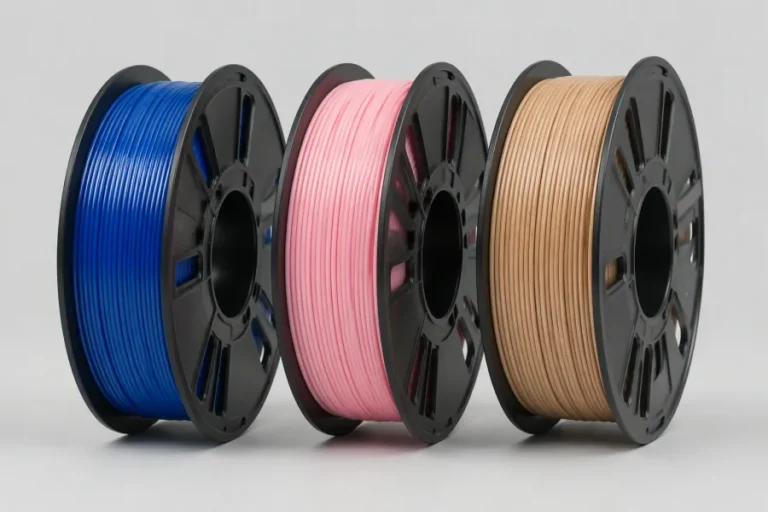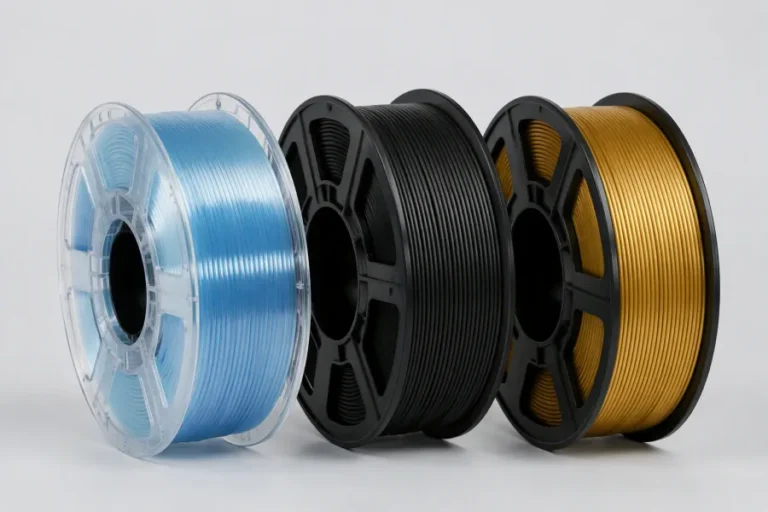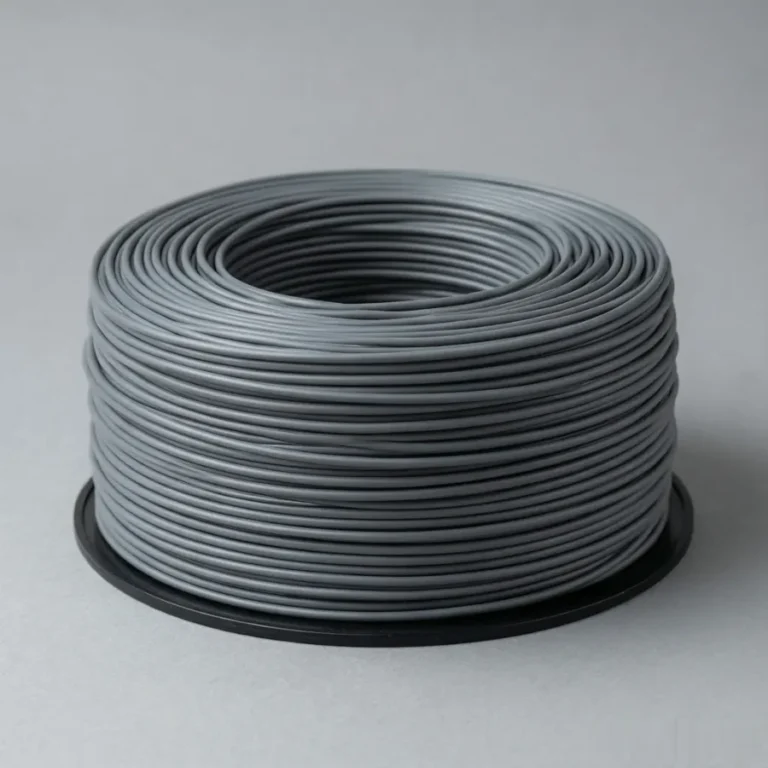
Search for a PETG-CF supplier and the results are all product catalogs. B2B platforms list dozens of factories, retailer pages show spools with specifications, and every thumbnail promises “high strength carbon fiber filament.” None of them explain how to tell a good one from a lucky one. Carbon fiber changes the manufacturing equation: fiber dispersion, batch consistency, and equipment requirements all shift, and a supplier producing excellent plain PETG can still ship inconsistent PETG-CF if their process hasn’t caught up with the additive.
Finding the right petg cf supplier requires qualification questions specific to carbon fiber reinforced PETG: what changes in production, what to verify about batch consistency, the nozzle cost your fleet will absorb, the moisture discipline CF demands, and how to structure a trial that catches problems before volume locks them in. It builds on our general supplier qualification framework and the material context in our PETG explainer; carbon fiber adds its own entries to the risk register.
What Carbon Fiber Changes in Production
PETG-CF is PETG with short carbon fiber segments blended at reinforcing loadings specific to each formulation. The fibers do the structural work: they raise stiffness, reduce warping, and give the printed part a matte technical finish. But they also change what the production line has to manage. Fiber dispersion, meaning whether the carbon segments are evenly distributed through the melt or clumped in patches, determines whether the spool prints like a uniform engineering material or like plain PETG with occasional stiff surprises.
This is the core batch consistency check for CF materials, and it’s harder to hold than plain PETG’s diameter and color. A supplier can nail the tolerance on every spool and still ship dispersion that varies batch to batch, because fiber behavior depends on screw design, melt temperature, and compounding quality. The buyer’s protection is the same as any consistency risk: validation across two independent production batches, with the quality records from each.
The Nozzle Cost Question
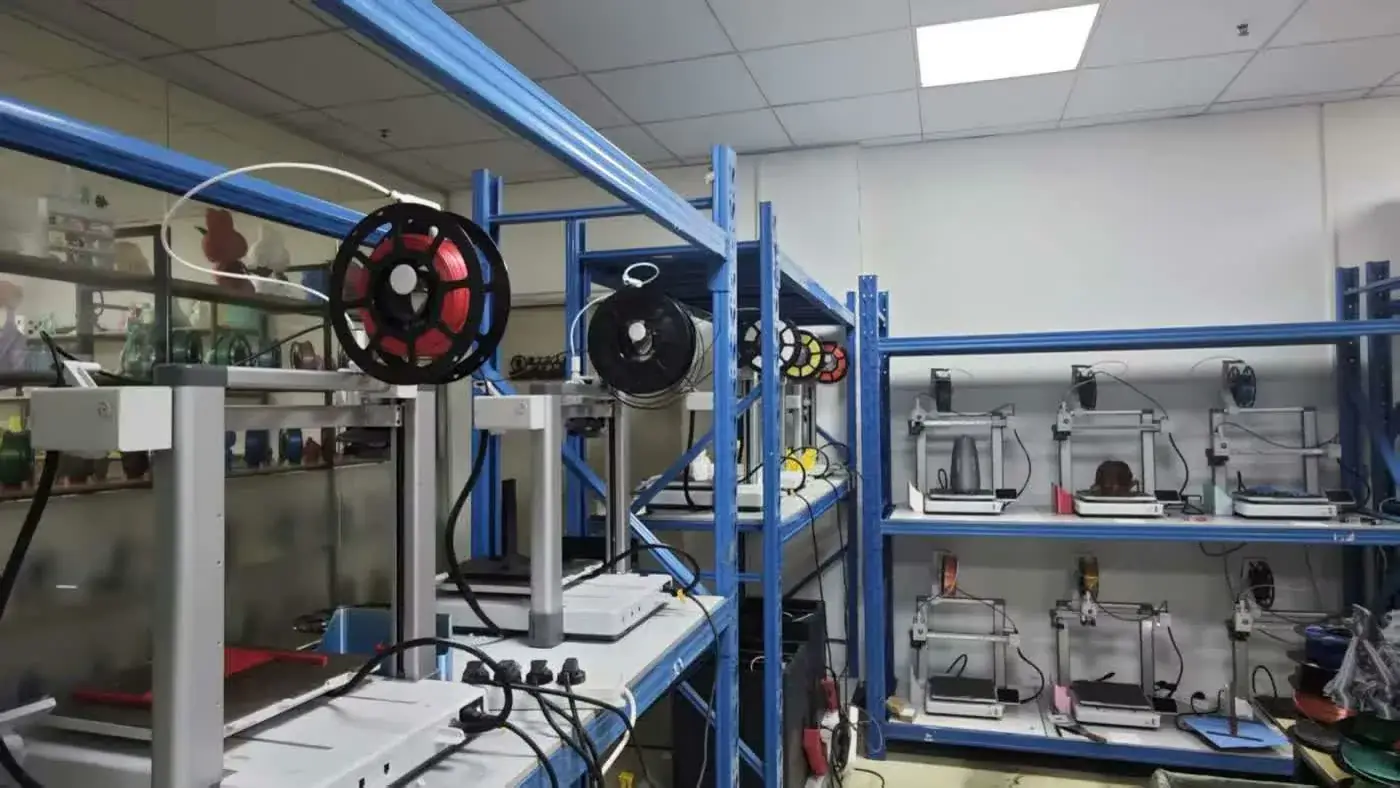
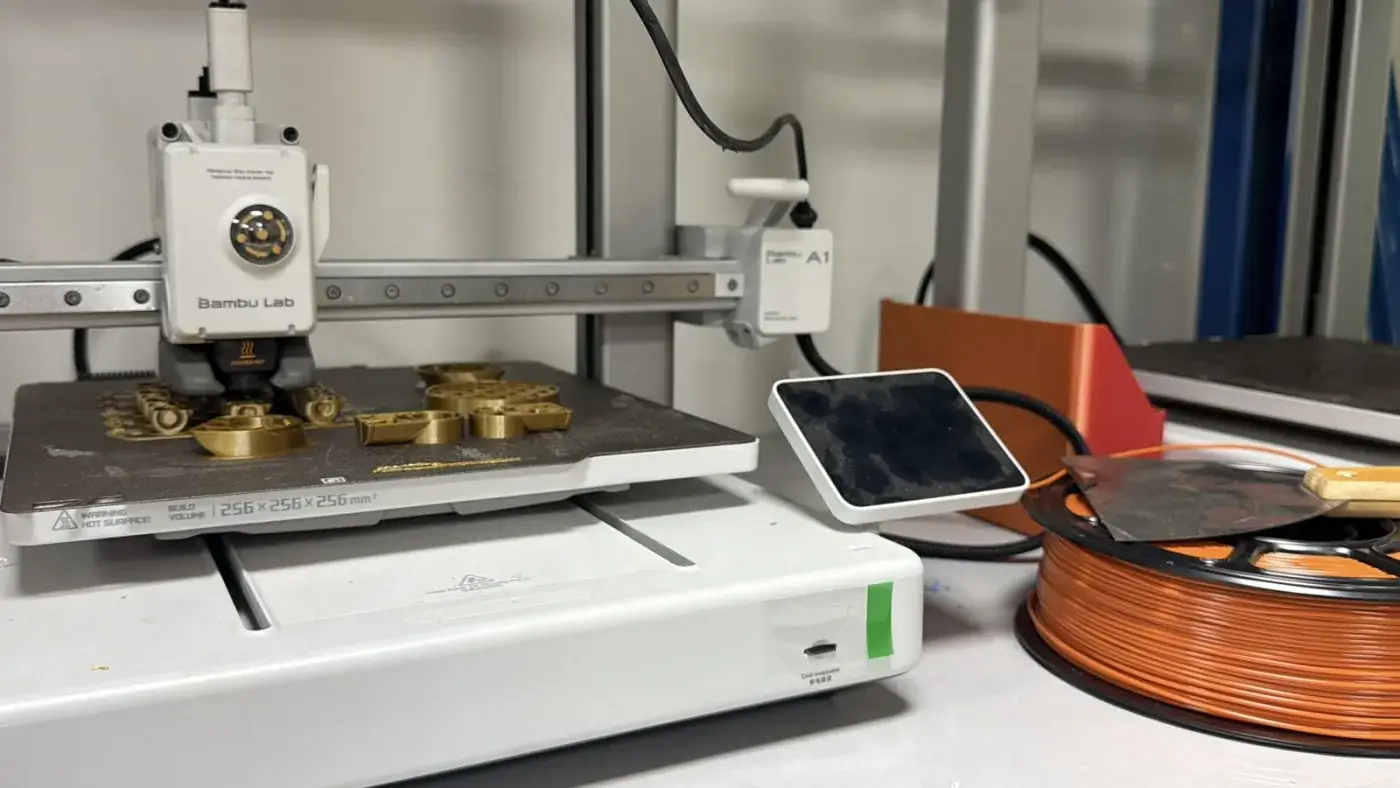
The line item that separates buyers who have run CF from buyers who are quoting it for the first time: carbon fiber is abrasive. Standard brass nozzles wear visibly faster against fiber-filled material: the aperture widens, extrusion quality drifts, and parts stop matching profiles that worked last month. The standard recommendation is hardened steel nozzles for CF grades, and it is mandatory. It separates a nozzle that lasts months from one that quietly degrades output in weeks.
For a fleet buyer, the cost calculation matters at both the machine level and the supply level. At the machine level: hardened steel nozzles cost more upfront and last longer, but the transition cost of swapping and recalibrating hits once and should be budgeted as part of the CF program before the first batch. At the supply level: check whether the supplier’s recommended print settings account for nozzle wear over long production runs, because a supplier who has run CF at scale handles that conversation.
A specification note: our own PETG-CF and PETG-GF grades and their material series documentation carry the hardened-nozzle recommendation explicitly. A supplier who doesn’t mention nozzle requirements for CF material either hasn’t run enough of it to know, or has chosen not to mention a cost they’d rather you discover later.
Moisture Discipline for CF Grades
PETG is the more hygroscopic of the common workhorse filaments, and adding carbon fiber does not soften that; it arguably tightens the tolerance for error, because the surface defects moisture produces (stringing, bubbles, rough patches) are more visible on a matte CF surface. The supplier-side moisture check is the same as for plain PETG: does every spool ship vacuum-sealed with desiccant, and is the per-material drying spec available on request?
The buyer-side discipline carries over identically from our wet filament guide: dated bags, first-in-first-out rotation, and a drying station as the gateway between storage and machines. What CF adds is the observation that the matte surface makes moisture symptoms easier to spot — the rough patches and bubbles that hide on glossy PETG stand out on CF — which actually works in the buyer’s favor during a trial.
The Verification Checklist
When you’re evaluating a PETG-CF supplier, the checks sort into natural groups. The checklist, ordered from easiest to hardest:
- Material specifications in writing: fiber percentage or description, diameter tolerance (±0.02 mm on 1.75 mm is the production-grade band), nozzle and bed temperature windows, and the recommended settings sheet that ships with samples.
- Nozzle requirements stated upfront: does the supplier’s documentation mention hardened steel for CF, or is the buyer expected to discover the brass wear independently?
- Packaging standard: vacuum-sealed with desiccant per spool, and a drying spec available on request.
- Batch consistency evidence: production-representative samples from two independent batches, with the diameter log from each, plus a description of how fiber dispersion is managed on the line.
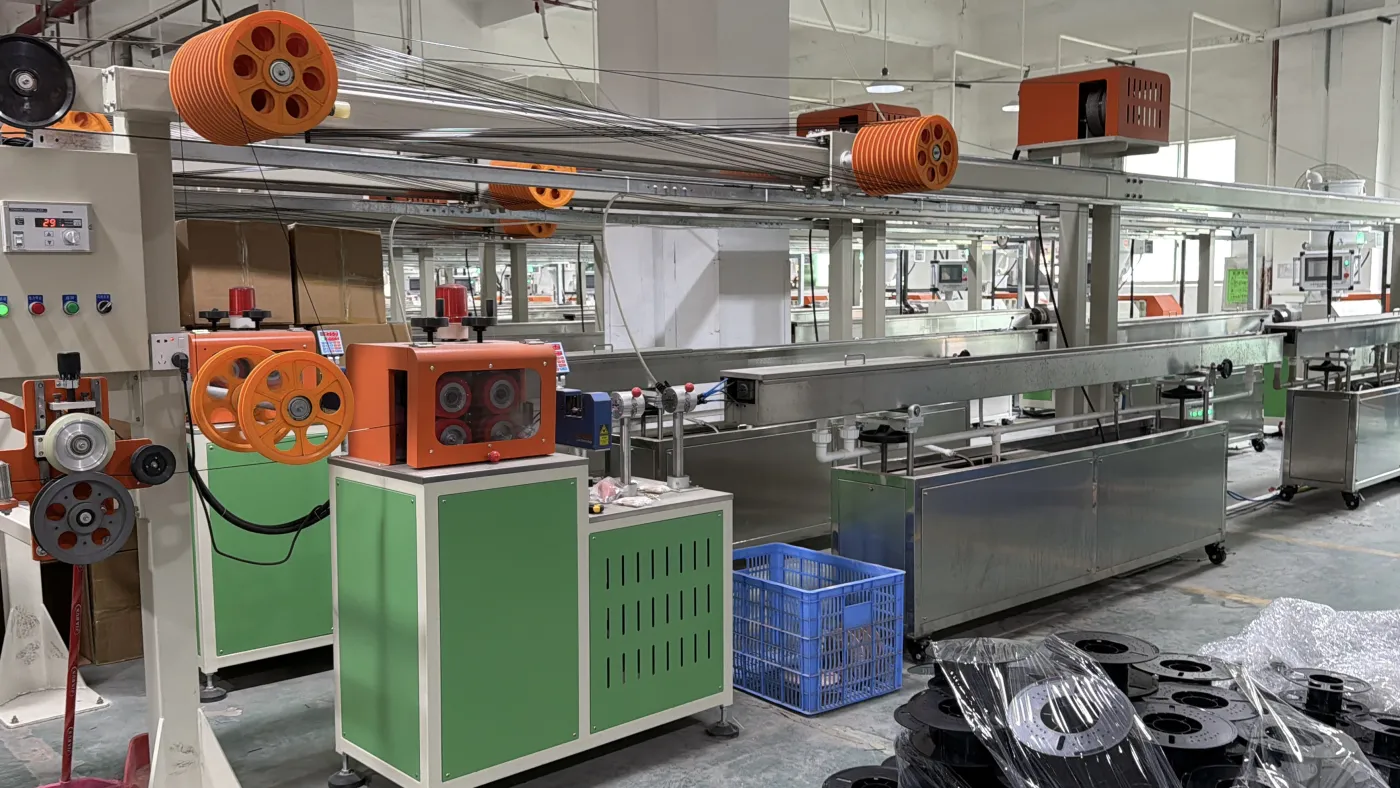
- The manufacturing question: does the supplier actually extrude CF grades on their own lines, or is the material another factory’s spool rebranded? Both can supply good material, but the answer changes what you audit — a factory shows you their line; a reseller shows you their supplier’s line, one step removed.
The B2B platform listings that dominate the “petg cf supplier” search results include both manufacturers and trading companies, and the distinction matters for verification: some excellent material comes through traders with strong supplier relationships. The difference is verification depth. A manufacturer can be asked about their screw design, their compounding process, their die maintenance schedule. A trader can be asked for the same answers from their factory partner, and the quality of the relayed answer tells you something about the relationship’s depth.
Structuring the CF Trial
The trial for PETG-CF follows the same structure as any material qualification, with several CF-specific additions. Start with a mixed-SKU trial in standard packaging — from ten spools, including both a CF grade and a plain PETG grade from the same supplier. The plain grade serves as a baseline: if the supplier’s plain PETG is consistent but their CF drifts, the issue is additive management rather than general process quality. That diagnostic alone can save a buyer from rejecting a good supplier over a fixable problem.
The test parts should exercise what CF is bought for. Print the brackets, the fixtures, the thin-wall geometries that plain PETG couldn’t hold — and print them with the same profile across two batches, checking for stiffness variation and surface quality drift. The bend test from our material guides applies here too: CF parts should resist bending noticeably more than plain PETG parts from the same supplier, and the difference should be consistent between batches.
Budget the nozzle swap as part of the trial cost. A trial that runs CF through brass nozzles and reports quality issues may be reporting the nozzle rather than the material. One hardened steel nozzle on the test machine, installed before the first CF spool, removes that variable from the evaluation entirely.
What Dispersion Failure Looks Like
Understanding what bad dispersion looks like in printed parts gives the buyer a diagnostic tool no catalog page offers. Well-dispersed CF material prints with a uniform matte surface, consistent rigidity across the part, and predictable behavior at thin walls and small features. Poorly dispersed material announces itself through patchy stiffness — a bracket that resists bending in one area and flexes in another — and through visible surface artifacts: dark streaks where fiber has clumped, rough patches where dispersion was thin, or small voids where fiber bundles created gaps in the extrusion path.
The diagnostic is deliberately simple: print a known-geometry part from two batches, photograph both under the same lighting, and compare surface texture with your hands on the parts. Stiffness variation is harder to quantify without instruments, but the hand-bend comparison described above gives a usable proxy. The comparison between batches is what matters: matching surface quality and stiffness across both means dispersion is being held, while a noticeable difference means the supplier’s fiber management has a consistency gap that volume orders will amplify.
Fleet Rollout Notes
Transitioning a fleet from plain PETG to CF grades involves more than swapping spools. First-layer adhesion behaves differently on some CF formulations, and bed temperatures may need adjustment — the supplier’s settings sheet should be the starting reference, validated on one machine before deployment. Cooling settings affect surface finish on matte CF more visibly than on glossy plain, so a small cooling test on top surfaces pays for itself in profile stability.
The changeover discipline from our quality-control guide applies at the fleet level too: when switching between plain and CF material on the same machine, a brief purge and a first-article print confirm the transition before a production run. Cross-contamination between materials is rarely catastrophic, but it can produce surface artifacts on the first layers that confuse quality evaluation if nobody accounts for the switch.
For pass/fail criteria on the trial, write them before the first print: diameter held against the log from both batches, surface quality uniform across a defined test geometry, stiffness consistent between batches on the bend test, and no visible fiber clumping or voids on the photographed surfaces. These are checkable with a camera and a pair of hands, and they cover the CF-specific risks that a general material qualification would miss.
After the Trial: The Commercial Ladder
A supplier who passes the CF trial enters the standard volume ladder: commercial orders from a hundred spools, with the CF-specific observation that nozzle consumption should be tracked alongside material consumption from the first order. The landed-cost model from our cost guide applies unchanged, with the addition that CF grades’ higher per-kilogram price makes the freight and duty components proportionally more significant.
The qualification path and the documentation package behind it sit on the PETG filament manufacturer page, which covers our full PETG range including the carbon fiber and glass fiber reinforced grades. A written qualification proposal follows a fit call within twelve business hours. More about FilaSource is on the homepage.
Frequently Asked Questions
Do I need special nozzles for PETG-CF?
Yes, hardened steel. Carbon fiber is abrasive and wears brass nozzles visibly faster, which degrades extrusion quality over time. Budget the nozzle swap as part of the CF program, not a surprise maintenance cost.
How do I verify carbon fiber dispersion quality?
Print the same thin-wall or bracket part from two independent batches and compare stiffness and surface texture. Consistent CF dispersion shows as uniform matte finish and predictable rigidity; drift shows as patchy stiffness or visible fiber clumping on the surface.
Is PETG-CF harder to dry than plain PETG?
The moisture sensitivity is similar, but the consequences are more visible. A matte CF surface shows stringing and bubbles more clearly than glossy plain PETG, which helps during a trial: defects are easier to spot and document.
What is the minimum order for PETG-CF?
Mixed-SKU trials start at ten spools, and you can combine CF grades with plain PETG in the same trial to establish a baseline. Commercial orders begin at a hundred spools, with the volume ladder following from there.
How can I tell if a supplier actually manufactures PETG-CF?
Ask for the manufacturing details: screw design considerations for fiber materials, compounding process, die maintenance schedule. A factory answers from their own line; a trader relays the answer from their partner. The depth and specificity of the response tells you which relationship you are auditing.