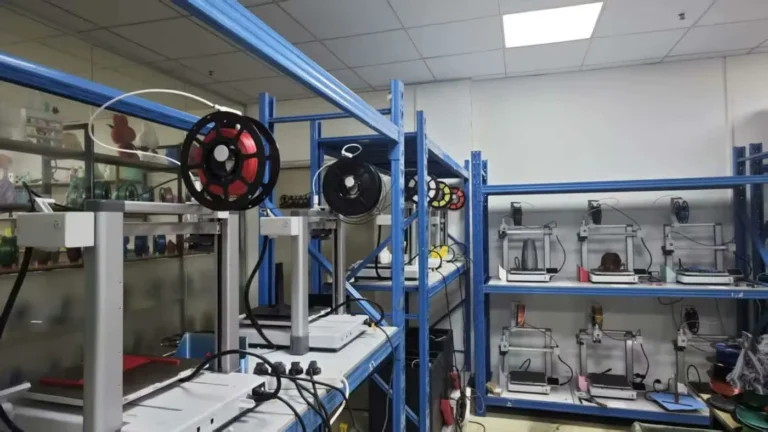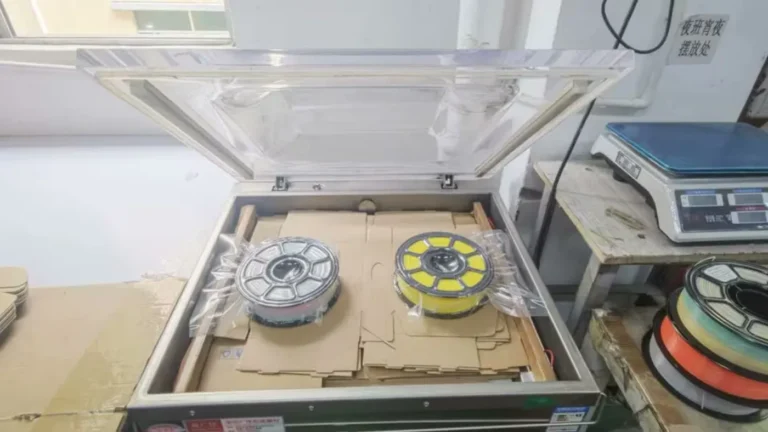
A print farm doesn’t buy filament the way a hobbyist does. A hobbyist feels a spool’s price. A farm feels its failure rate. The same kilogram can cost more than the entire saving of the bulk order, once a failed overnight run is swept off the build plates. And the “premium” spool that costs more per kilogram can be the cheapest thing on the shelf if it simply runs. The number that captures this is cost per successful print, and for any 3D print farm it is the one metric the filament market’s page-one results never calculate.
The arithmetic has a numerator, four drivers that move it most, and supplier-side disciplines that push it down. The math doesn’t change with fleet scale; it just becomes more expensive to ignore.
This is not an argument for premium everything. Farms that chase the best filament universally usually discover they are paying for properties their parts never use. The argument is for verifiable filament, spools whose consistency, packaging, and records let you predict the failure rate instead of discovering it. Sometimes the verifiable spool is the cheap one. The market’s job is to hide which; the buyer’s job is to find out.
A Worked Example in Structure
Run the arithmetic on a hypothetical overnight job and the shape of the answer appears without a single dollar figure. Take a long print consuming most of a spool. If it succeeds, its material cost divides across the parts it produced, and everyone goes home. If it fails at hour six, the spool has consumed its price plus six hours of machine time across the machines that ran the job. Add the labor of clearing and restarting, and the cost of the deadline if the part was a customer order. One failure can consume the saving of an entire bulk purchase. That is the structural point: bulk pricing saves on the denominator, while failures inflate the numerator, and the numerator carries more weight.
The arithmetic also judges small percentage differences in spool price. A few percent per kilogram is a rounding error next to a single-digit change in failure rate. A supplier whose spools fail meaningfully less often can charge more per kilogram and still be the cheaper supplier in the only currency a farm banks.
The Arithmetic Nobody Quotes You
Cost per successful print divides everything a spool consumes by the prints it actually delivers:
- Material consumed, including the purge, the failed layers, and the skirt nobody counts.
- Machine time lost to failures — the overnight run that died at hour six still owes you six hours of depreciation, power, and floor space.
- Labor — the operator who clears the failure, restarts the job, re-spools, re-queues.
- Rework and replacement, when the failed part was a customer order with a deadline attached.
Every filaments buyer quotes in dollars per kilogram because it’s easy to compare. Page-one listings don’t quote it, because it would reveal which spools are actually cheap. That gap between what’s quoted and what’s paid is the farm’s operating margin.
The Four Drivers That Move the Number
Moisture discipline is the first. A damp spool doesn’t fail once — it fails every long print until someone notices the pattern, and by then the drying protocol is a rescue rather than a routine. Sealed arrival, dry-and-return habits, and a drying station with a log convert moisture from a recurring tax into a solved problem. The station log that pays for itself has four columns: spool ID, date in, duration, and the operator’s initials. Reviewed weekly, it replaces “that spool feels damp” with a record that names which SKUs need scheduled drying and which never miss.
Batch consistency is the second. A farm tunes its profiles once and expects them to hold. When a supplier’s batch drifts on diameter, color, or behavior, every machine with that profile starts producing marginal parts simultaneously. The review instrument is the diameter log: a stable line reads tight noise around the target with small corrections; a drifting batch reads a slow lean. Ask to see the log before the order, and compare two batches for the same reading style — that comparison is the entire consistency question in one document. The protection is validating on at least two independent production batches before committing volume, and demanding the diameter logs behind both.
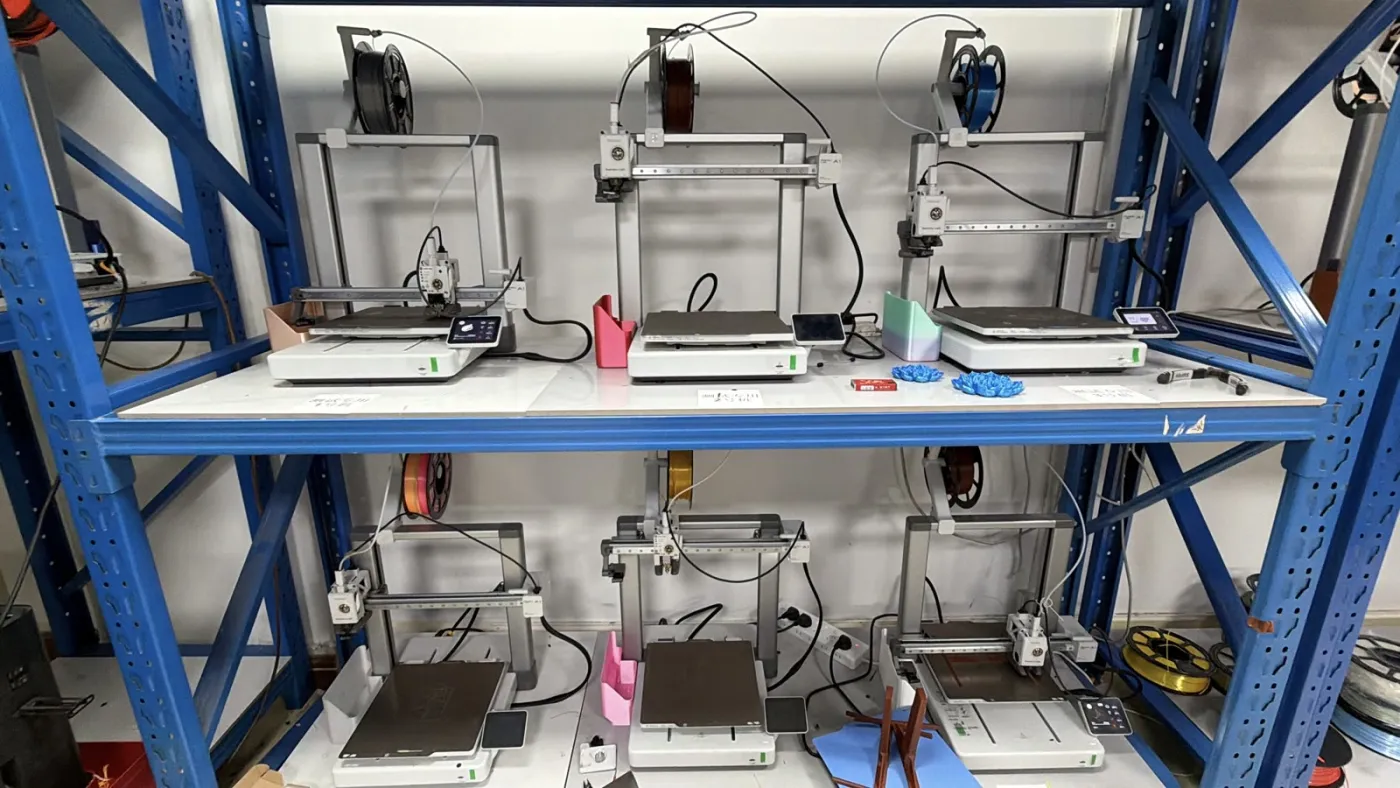
Winding and feeding quality is the third. A tangle or a bad wind on an unattended run usually claims the full print plus cleanup labor. The prevention lives in end-fixing discipline and spool-holder engineering, covered in detail in our tangled filament guide. The two-minute fleet audit: walk the racks and check every holder for friction, alignment, and retainers. One dragging holder re-tensions a feed path for months before anyone connects it to a failure.
Supply continuity is the fourth and least visible. A stockout on a farm’s core SKU doesn’t pause material consumption — it pauses revenue, and the recovery order arrives at expedited-freight pricing. The hedge is a qualified second source, approved and parked, able to enter production within about fifteen days of activation. The full economics of that structure are worked through in our piece on single sourcing risk. The sizing question for a farm: hold enough safety stock to cover the activation window of a qualified backup, and no more. Over-stocking ties up the same cash the drying station protects.
What the Number Rewards on the Supply Side
Once the arithmetic is internal, the buying questions rearrange themselves. The question stops being “what’s your cheapest kilogram” and becomes: Can you show me diameter logs across two independent batches? Does every spool arrive vacuum-sealed with desiccant? Can your winding hold through an overnight unattended run? Can you hold a quoted lead time, and what happens when you can’t?
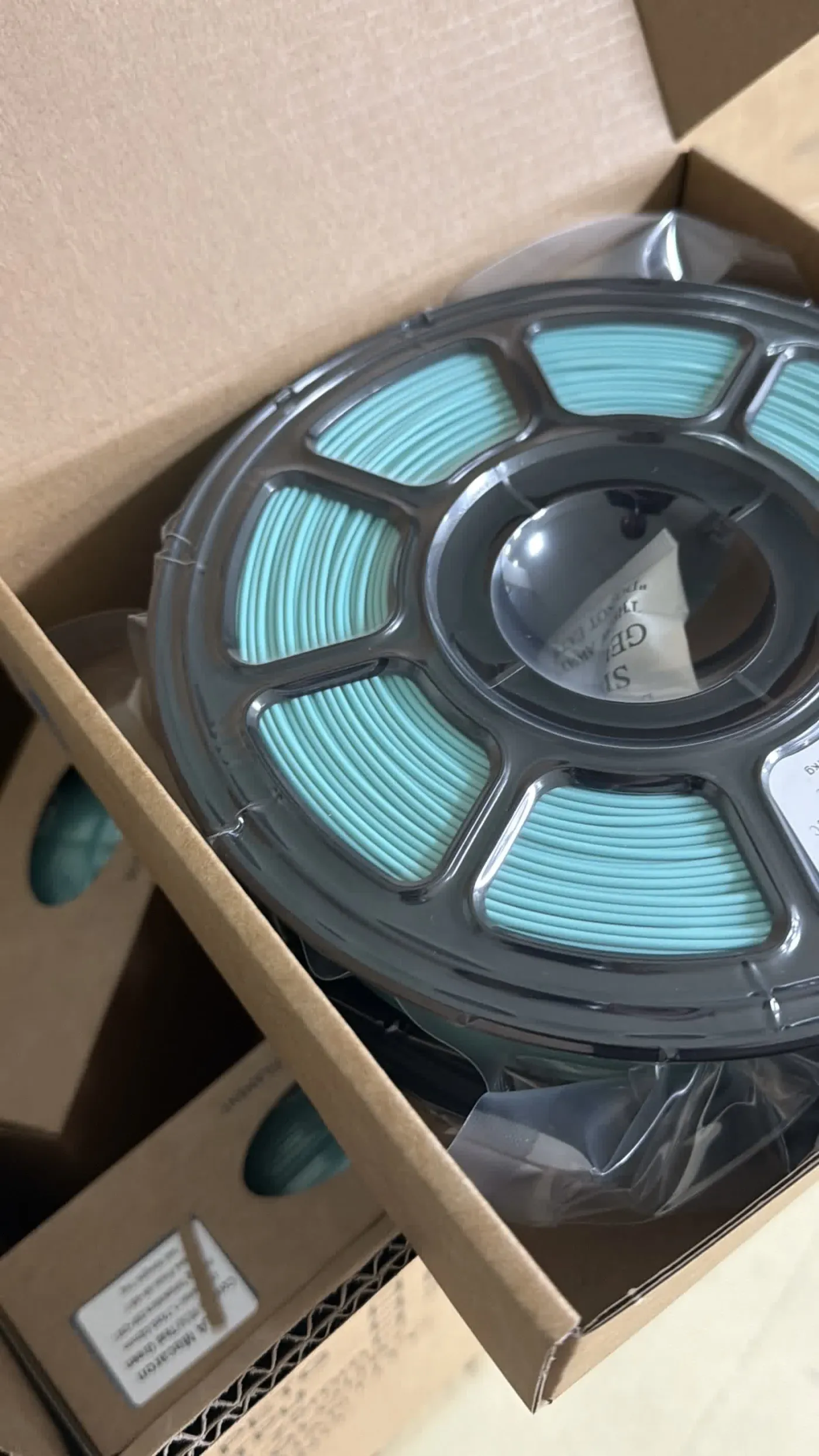
Those are answerable questions, and the answers separate suppliers into the ones selling plastic and the ones selling successful prints. The filament manufacturer relationship, with batch records, moisture-barrier packaging, and a second-source qualification path, is what cost per successful print looks like from the supplier side. More about FilaSource is on the homepage.
The Supplier Meeting, Rearranged Around Outcomes
The first cost-per-successful-print conversation with a supplier tends to surprise both sides. Most supplier meetings open with price per kilogram and volume tiers, because that is the script both parties learned. A farm that opens instead with walk-me-through-your-batch-validation, or show-me-what-happens-when-your-line-drifts, is asking questions the script doesn’t cover, and the quality of the improvisation is the due diligence.
The meetings worth having produce three artifacts. A sample protocol covering which spools from which batches tested against which parts. A records list covering diameter logs, inspection results, and drying specs. And a lead-time commitment with a stated exception process. A supplier who handles that meeting well will handle the supply relationship well, because a well-run meeting predicts a well-run supply line.
There’s a cultural signal in there too. Suppliers who welcome the questions are usually the ones whose answers survive verification. Suppliers who bristle at an audit before the first order will likely bristle at a complaint after it.
Suppliers are entitled to their own qualification, and honest ones run it. The print farm persona earns supply terms by showing stable monthly consumption, a designated tester who owns results, and a replenishment plan that predicts rather than reacts. Those three signals cost a farm time. They change the supplier conversation from price-haggling to capacity-planning, and a supplier who can see the forecast can hold stock against it.
The replenishment plan itself is one page: a rolling forecast by SKU family, reviewed monthly, converts emergency orders into scheduled ones. Scheduled orders are where lead-time reliability and landed pricing live. A farm without one pays spot logistics indefinitely; a farm with one discovers that most stockouts were planning failures, not supply failures.
Three Small Practices That Compound Monthly
Three habits, none expensive, all compounding on a farm:
- The drying log from the first driver, kept down to a checkmark. After a month it shows which SKUs never needed the station.
- A failure tag on every scrapped part — material-related or not. After a month, the tags tell you which supplier’s spools actually earn their price, with evidence.
- One known-good reference print per material, kept and compared. When a new batch behaves differently, the reference removes the argument.
Farms that run these three don’t buy cheaper filament. They buy verifiable filament, and the difference lands directly in cost per successful print.
Frequently Asked Questions
How much cheaper is bulk filament really, after failures?
It depends on the failure rate. Bulk pricing saves cents per kilogram; one failed overnight run can consume the saving of a whole bulk order. Run the arithmetic with your fleet’s data and the honest supplier becomes visible.
Which failure costs farms the most?
The silent ones: moisture and batch drift. A tangle announces itself; a damp spool or a drifting batch produces marginal parts across every machine running that profile, and the cost lands in rework and reputation before anyone traces it to the spool.
Should a farm standardize on one supplier?
One primary, plus one qualified backup. Full standardization maximizes tuning consistency; full single-sourcing maximizes exposure. The second-source structure keeps the tuning benefit while removing most of the risk.
How do I compare two suppliers honestly?
Same test parts, same profiles, two independent batches each, failures and rework logged with costs. The supplier whose spools produce more successful prints per kilogram is cheaper, whatever the quotation says.
Does vacuum-sealed packaging matter at farm scale?
More than anywhere. A farm’s inventory turns slowly enough that every unsealed week matters, and the labor of rescue-drying at scale eats any packaging saving. Sealed arrival plus dry-and-return discipline is the entire moisture strategy for most farms.